Treating Dog Anxiety: A Comprehensive Guide
|
|
Time to read 11 min


Loved by 50k+ pet parents


Loved by 50k+ pet parents


Loved by 50k+ pet parents


Loved by 50k+ pet parents
|
|
Time to read 11 min
If you're reading this, chances are you've witnessed your beloved canine companion struggling with anxiety. It’s heart-wrenching to see them stressed, panting, or hiding, and you’re searching for answers. You want to help your dog feel safe and happy again, benefiting all family members. You've come to the right place. We'll explore effective strategies—from medications to natural remedies—to guide you and your dog toward a calmer, more fulfilling life together.
Table of Content
Before we jump into solutions, it’s crucial to understand what you're dealing with. Think of it like a detective story: you need to gather clues before you can solve the mystery.
Many dog owners initially misinterpret anxiety as simple "bad behavior" or other anxiety-related dog’s behavior problems. But an anxious dog isn't trying to be naughty; they're trying to cope with overwhelming fear or stress, which often manifests as behavioral issues. Imagine yourself in a situation that makes your palms sweat and your heart race—your dog feels that, too. Look for subtle cues, which are often early anxiety symptoms, beyond the obvious shaking or hiding. Are they excessively licking their lips, drooling, yawning when not tired, or avoiding eye contact? Are they pacing, panting excessively without exercise, exhibiting destructive behavior like chewing, or excessive vocalization, such as excessive barking—all signs of anxious behavior? Perhaps they're having "accidents" (urination or defecation) in the house, even if fully house-trained. These aren’t defiance; they’re distress signals.
Anxiety isn't a one-size-fits-all diagnosis; dogs can suffer from various anxiety disorders. Just like humans, dogs can be anxious for a myriad of reasons. Separation anxiety in dogs is common, stemming from a deep bond and fear of being left alone. Noise phobias, triggered by loud noises like fireworks or thunderstorms, can turn your home into a war zone for your dog. Some dogs experience generalized anxiety, seemingly stressed by everything and nothing in particular, even common occurrences like car rides or meeting new people. Past trauma, lack of early socialization, cognitive dysfunction syndrome, or even other medical conditions can also contribute. Pinpointing the cause is like finding the root of a thorny weed; once you know it, you can begin to effectively pull it out.
Now that we understand the landscape, let's explore the practical tools you can use.
Behavioral modification isn't about "fixing" your dog; it's about gently guiding them to new, positive responses to previously scary situations. Imagine teaching a child to ride a bike: you don't throw them down a hill. Instead, you start with training wheels, offer encouragement, and gradually build their confidence. For dogs, this means techniques like desensitization (gradually exposing them to triggers at a low level) and counter-conditioning (associating those triggers with something positive, like treats, through positive reinforcement). A classic example is pairing the sound of thunder (very quietly at first) with their favorite high-value snack. This takes patience, consistency, and a positive attitude from your end.
Your dog's environment plays a huge role in their stress levels. Think of your home as their den. Is it a chaotic, unpredictable place, or a sanctuary? Creating a safe haven involves simple yet impactful changes. Provide a designated "safe space" like a crate (covered with a blanket) or a quiet room where they can retreat. Use calming pheromone diffusers or collars, such as Adaptil, which mimic the natural comforting scents produced by a mother dog. Ensure they have adequate exercise and mental stimulation, as a tired dog is often a calmer dog. Simple adjustments can turn a house into a home for an anxious pup.
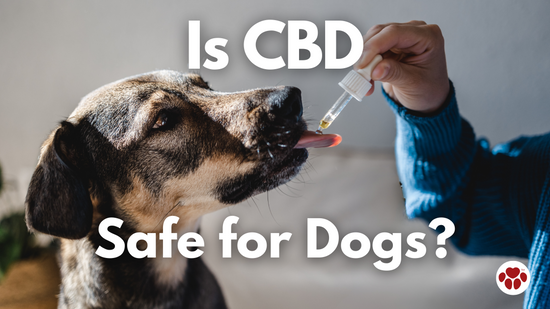
Many owners look for natural remedies to provide gentle support. These aren't magic bullets, but they can be a wonderful complement to other strategies. Think of them as a comforting cup of herbal tea for your dog. Popular options include CBD oil (ensure it's specifically formulated for pets and dosage is vet-approved), L-Theanine supplements, or various herbal blends containing ingredients like chamomile, Melatonin or valerian root. Always consult your veterinarian before introducing any new supplement to ensure it's safe and won't interact with other medications or conditions. Some dogs respond beautifully to these; others may need more intervention.
Sometimes, anxiety is so severe that behavioral and environmental changes, along with natural remedies, aren't enough. This is not a failure on your part, but an indication that your dog needs a bit more help.
Just as humans might need medication for severe anxiety, so too can dogs. Prescription medications, such as fluoxetine (Prozac for dogs), alprazolam, Clomicalm (clomipramine), or amitriptyline, can help regulate brain chemistry, making it easier for your dog to learn new behaviors and cope with triggers. These aren’t sedatives; they're designed to reduce the underlying anxiety, often functioning as an antidepressant. Imagine trying to learn a new skill when you’re in a constant state of panic—it’s impossible. Medication can lower that baseline anxiety, allowing the behavioral work to truly take hold.
When considering medication or even advanced behavioral strategies, your veterinarian is your most valuable partner. They can rule out any underlying medical conditions that might be contributing to your dog's anxiety, discuss appropriate medication options, and often refer you to a certified veterinary behaviorist. This collaboration ensures a holistic approach, addressing both physical and psychological well-being. Don’t hesitate to reach out; your vet is there to help.
It's easy to feel overwhelmed, but remember, countless dogs have overcome anxiety with the right support. Take Sarah, for example, whose rescued terrier mix, Buster, suffered from extreme separation anxiety. Through a combination of desensitization training, a calming pheromone collar, and eventually, a low dose of prescribed medication, Buster went from destructive panic attacks to peacefully napping while Sarah ran errands. Or Mark and Luna, whose dog used to shake uncontrollably during thunderstorms; with consistent counter-conditioning (associating storms with high-value treats) and a weighted anxiety vest, Luna now snuggles calmly instead of cowering. These stories aren't just anecdotes; they're blueprints for hope.
You've learned a lot today. The key now is to take action, one step at a time.
To help you get started, download our comprehensive checklist. It will guide you in observing and documenting your dog's specific anxiety behaviors and potential triggers, giving you a clear picture to share with your vet or behaviorist.
Whether your dog's anxiety is mild or severe, consulting with a certified professional is invaluable. A veterinary behaviorist or a certified professional dog trainer specializing in anxiety can create a tailored plan for your dog, guiding you through the process with expertise and support.
When do your products expire?
For CBD Happy-Furever™ Oil:
For CBD Happy-Furever™ Chews & Other Chews:
Remember, proper storage is key for both products to ensure you get the best use out of them within their respective expiration periods.
Can CBD Happy-Furever™ help my dogs with seizures management?
When it comes to using CBD Happy-Furever™ for dogs with seizures, there's some promise and hope here. The research on CBD for seizures in dogs is emerging, and there are indications that CBD may help manage seizure activity in some dogs.
In humans, the most compelling evidence of CBD's efficacy in treating seizures comes from its use in treating certain forms of epilepsy, such as Dravet syndrome and Lennox-Gastaut syndrome. Based on this human evidence, researchers are investigating CBD's potential anticonvulsant properties in animals.
A study published in the journal "Pet Behaviour Science" in 2019 observed that CBD could reduce the frequency of seizures in dogs with epilepsy when used in addition to standard antiepileptic treatment. It’s thought that CBD interacts with receptors in the brain that can influence neurological activity and potentially reduce the number and severity of seizures.
However, it is essential that dog owners do not think of CBD as a complete replacement for their dog's prescribed medication / medical intervention. If a dog is currently being treated for seizures, getting professional advice could be helpful.
Should you like to incorporate this treatment, and you'd like your vet's opinion - it's important to approach your vet from a place of seeking guidance rather than expecting them to advocate for its use. This approach allows you to take responsibility for the choice while seeking their professional insight on how to do so safely.
Not all veterinarians may be fully aware of the potential benefits of CBD as vets are not allowed to prescribe CBD Oil as it's not considered a prescription drug, and many vets would rather just adopt a 'do no harm' approach to protect their practice.
What's the recommended dosage of Happy-Furever™ for my dogs?
We have a recommended dosage schedule based on Veterinarian's advice This information can be found on the back of all our product's packaging. Different dogs (of different weight and sizes) would require different dosages.
The rule of thumb for our bottles is to use 0.25ml per 10lbs of body weight, or 0.025ml per 1lbs of body weight. OR 0.5mg of CBD per 1lb of body weight.
So, if you're using the oil - to find your unique dosage, you can simply multiply 0.025ml with your dog's body weight.
As you can see, the recommended dosage would be ~ 1.55ml. However, you can start with half the dosage and slowly increase your way to the point where your dog finds relief.
Access the CBD Happy-Furever™ Oil Success Guide.
So, if you're using the chews - bear in mind each chew has 25mg of CBD, so in this case based on your dog's body weight of 62lbs.
Access the CBD Happy-Furever™ Chews Success Guide.
Some dogs find relief with a lower dose, and some might need a higher dose. Every dog is unique, and there's no hard rule. This rule of thumb is here to give you a framework.
Dosing is more of an art not a science. There's no hard rule on the exact amount. Different dogs react differently, but it's always best practice to start off at a lower dosage and adjust accordingly. Give your dog's body to adapt. If your dog is having digestive upsets, it's likely because you're giving them too much, too soon.
Is it safe to put CBD Happy-Furever™ Oil in a dog capsule for picky eaters?
Yes, CBD capsules can be a good option for picky eaters who don’t like the flavor of the oil. Ensure the capsules are made specifically for dogs to avoid any ingredients that might be harmful to your pet.
Dr. Audrey Negrelli
Dr. Audrey Negrelli is committed to helping pets live healthier, happier lives through compassionate, science-based care. With years of veterinary experience in preventive medicine and wellness, she ensures that every PawOrigins® resource supports both safety and quality. Her mission is simple: to empower pet parents and give families more joyful, healthy years with their animals.