


Clinically Dosed
7-In-1 Ingredients
After years of research, Dr. Kathryn Dench discovered the answer: It's not the allergen causing the problem, it's your dog's immune system overreacting to it.


Loved by 50k+ pet parents


Loved by 50k+ pet parents


Loved by 50k+ pet parents


Loved by 50k+ pet parents


Stop Itching and Allergies At The Source!
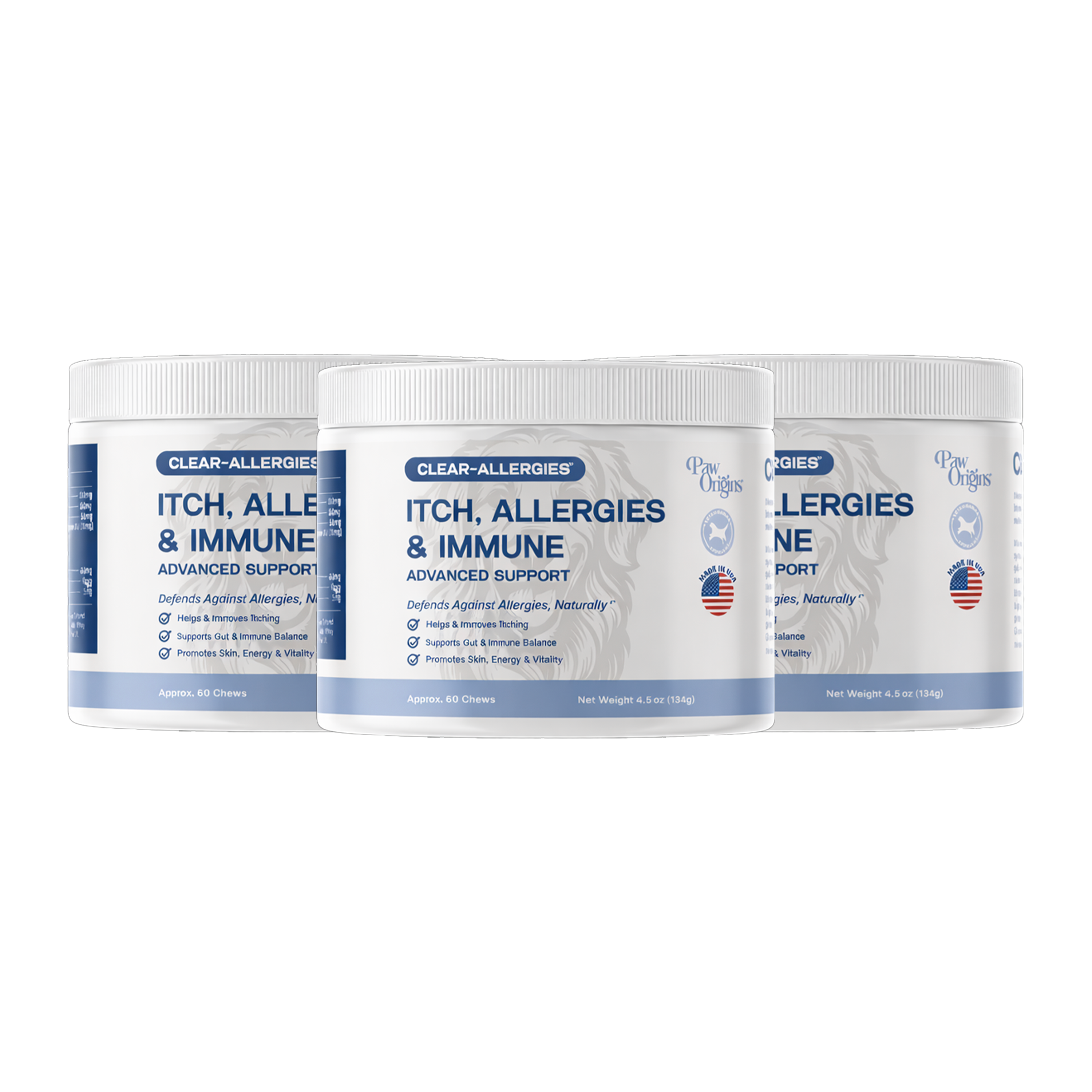
Is your furry friend scratching, shedding, and developing hot spots? Then they need Clear-Allergies™️. This next-generation immune and allergy support chew doesn't just target the symptoms of itching and allergies. It addresses the problem at its source, delivering long-lasting, inside-out relief to your pup. (Jar size: 6.5 oz / 60 soft chews).


 3rd Party Lab Tested & Made in USA
 Vet Formulated & Pet Approved
 GMO Free & CGMP Certified
All transactions secured and encrypted

Vet
Approved

Fast
Delivery

Suitable for
Every Breed


Clear-Allergies™ delivers a science‑backed blend of multiple scientifically proven all-natural ingredients like Quercetin, Curcumin, probiotics (3 Billion CFU), and EGCG to help break the allergy cascade at its root. It supports gut balance, calming the immune response, and promoting healthy histamine levels for lasting relief. Plus, dogs love the delicious beef flavor!
Total: 6.5 oz (185 g) / 60 soft chews
Serving Size: 1 soft chew (3 g)
Active Ingredients (Per 3 g chew):
Inactive Ingredients: Premix Base (Apple Powder, Chickpea Flour, Cultured Dextrose, Flaxseed Meal, Potato Starch, Rice Bran, Sweet Potato, Whey Powder), Glycerin, Lecithin, Natural AOX, Natural Flavor, Sunflower Oil.
For optimal results, double the recommended daily dose for 4 weeks, then return to the standard maintenance dose.
Size of Dog — # of Chews per day:
Tip: Give during or after meals to support digestion. If your dog is sensitive, start at half the dose for a few days.
Every batch is tested for purity, potency, and safety. COAs verify active ingredient levels and confirm zero contamination.
“As with all things natural, it takes time for your dog’s body to fully absorb its benefits. The last thing you want is to give up too soon. Having worked with hundreds of dog parents, the ones that see lasting breakthroughs are the ones that stick to the plan consistently…” Dr. Kathryn Dench
Subscribers enjoy member‑only gifts, exclusive pricing, and worry‑free monthly delivery to build consistent results.

Most people think chronic itchiness is caused by external triggers —hot weather, dry skin, fleas.
But millions of dogs are exposed to those same things without scratching once. So what's really going on?
After years of research, Dr. Kathryn Dench discovered the answer: It's not the allergen causing the problem — it's your dog's immune system overreacting to it.


Yes, you might notice patterns in what triggers your dog's flare-ups…
But a healthy immune system encounters those same things and does nothing, while your dog’s immune system treats them like dangerous invaders and launches a full-scale attack.
It floods the body with antibodies, activates inflammatory cells, and releases histamine — the chemical that causes itching, swelling, and redness — throughout the skin, ears, and paws.
The trigger itself is almost irrelevant. The real problem is the broken immune response.
And that broken response starts in the gut.

Gaps form in the intestinal lining. Undigested food particles leak into the bloodstream.

Your dog's body encounters these leaked particles where they don't belong and mistakes them for dangerous invaders. It floods the system with IgE antibodies — chemical alarm signals.

Those antibodies activate mast cells throughout the body. The cells detonate, releasing histamine that causes relentless itching, redness, and swelling.
Most products only block histamine at Gate 3 — after the cascade has already fired.
That's why they only work temporarily. The itching comes back. The hot spots return. Your dog suffers through another flare-up because the root cause — the leaky gut and immune malfunction — was never fixed.
Clear-Allergies™ is different. It closes all three gates: sealing the gut barrier, calming the immune overreaction, and preventing histamine release before it starts — giving your dog lasting relief at the source.


We tried everything. Within weeks on Clear-Allergies™, her itching calmed, her coat looks amazing, and she sleeps through the night.


Years of red, itchy paws. Clear-Allergies™ was the first thing that felt like it targeted the problem at the source and it honestly felt miraculous. The licking stopped, and the skin finally cleared.


One month in and the hot spots are gone and her ears aren’t itchy anymore. She’s calmer, digestion is normal. The 7 clinically effective ingredients feel like they’re doing magic.

At PawOrigins®, our mission is simple: to help dogs live happier, healthier, and calmer lives. Happy-Furever™ comes with a vet success money-back guarantee, because it's already been proven to work for more than 50K+ pet owners. Thousands of pet parents have already seen meaningful improvements in their dogs' comfort, calm, and quality of life. And we're confident you will too. If you don't see visible improvements in your dog, or you feel it's not the right fit, just email our support team. We'll take care of you, no hassle, no stress. Try us out with complete peace of mind, knowing you're backed by a guarantee that exists because results are expected.


In today’s world, an overlooked epidemic is quietly harming our dogs — an unbalanced immune system that sparks relentless allergies, itchy skin, chronic inflammation, and long-term health decline.
Unseen and often misunderstood, these issues go far beyond surface-level discomfort. They can leave our beloved companions restless, scratching, and vulnerable — stealing the joy from their days and the peace from yours.
Clear-Allergies™ Itch, Allergies & Immune Support Chews tackle these challenges at their root by restoring harmony to the gut-immune axis — the master control center for your dog’s defenses and overall well-being.
Clear-Allergies™ Has A Three-Phase Approach To Immune Wellness
3 Billion CFU of clinically studied, multi-strain probiotics — 50% more than most competitors — help reduce intestinal permeability and rebalance the gut-immune axis. At the same time, Omega-3s from Salmon Oil soothe gut inflammation and support healthy immune signaling.
Quercetin (200 mg), nature’s powerful antihistamine, stabilizes mast cells and reduces histamine release, while Curcumin (150 mg) modulates TH2 pathways to calm chronic inflammation and prevent immune overdrive.
Antioxidant-rich Green Tea Extract (EGCG) helps lower oxidative stress and supports normal histamine responses, while Black Pepper Extract (95% piperine) boosts the bioavailability of curcumin and quercetin — amplifying their effects for faster, longer-lasting relief.
Developed with Dr. Kathryn Dench (MA VetMB, MRCVS), an integrative veterinarian with 20 years of experience. Crafted to support whole‑dog wellness rather than merely suppressing symptoms.
From caring for endangered primates in the Wildlife of Asia to nursing sick dogs in private practice - Dr. Dench has a unique gift - the ability to perceive the bigger picture in animal care. Focusing on the entire well-being rather than just treating symptoms and stuffing down pills.

MA VetMB | MRCVS
Chief Scientific Advisor



*Compared with leading allergy/immune chews, Clear-Allergies™ delivers higher probiotic counts (3B CFU vs. 250M–1B), clinical doses of Quercetin (200 mg) and Curcumin (150 mg), antioxidant support (EGCG), bioavailability boosters (piperine), and Omega‑3s—while avoiding under‑dosed blends and filler ingredients.

If you don't see visible results or improvements in your dog's health, you simply just have to contact our support team, and we will 100% take care of you. Dr. Dench's team of experts are ready to help you 1-on-1 to guarantee your success and satisfaction.
We want to help your pet, and we hope that offering this generous guarantee makes it super easy for you to give Paw Origins a try.
Clinically Dosed


Bonus: Get This Free Gift With Selected Purchases Today
A complementary 9‑in‑1 joint formula to support comfort and activity levels.*
*Complimentary gift for orders above $145

Supports Healthy Joint Function & Mobility

Promotes Overall Vitality & Well-Being

Maintains Cartilage Health & Synovial Fluid Balance

All-Natural | Vet Formulated | Made In USA
Mobility-Max™ is a scientifically formulated, advanced 9-in-1 blend of joint-supporting nutrients, specifically designed to address the root cause of canine joint issues - cartilage erosion.
Our formula works to:
Unlike solutions that merely mask symptoms, Mobility-Max™ provides comprehensive joint support by addressing cartilage erosion, inflammation, and oxidative stress.
Targeting the problem at it's root.
This carefully balanced formula is designed to maintain your dog's mobility and comfort long-term, regardless of their age, size or breed.
Mobility-Max™ chews deliver high-quality, bioavailable nutrients specifically formulated for optimal joint health. Each of the nine veterinary selected ingredients plays a crucial role in supporting your dog's joints, creating a synergistic effect that surpasses individual supplements or basic joint formulas.
This comprehensive blend ensures that your dog receives a full spectrum of joint-supporting compounds in one convenient chew, making it simple to provide advanced care for your dog's mobility and comfort.
Inactive Ingredients: Premix Base (Apple Powder, Chickpea Flour, Cultured Dextrose, Flaxseed Meal, Potato Starch, Rice Bran, Sweet Potato, Whey Powder), Glycerin, Lecithin, Natural AOX, Natural Flavor, Sunflower Oil.
We figured that if you're the type of person to invest in Clear-Allergies™ for your pup, you would probably be interested in all areas of health and lifestyle improvement for your pup...


• 30 homemade recipes to boost digestion, immunity & energy.
• Support allergy relief, healthy weight & a calmer, happier pet.

Seek 1-1 guidance tailored for your dog, connect with passionate pet parents, and tap into insights from our panel of veterinary experts. (You also get special deals and bonuses).
Yes! Probiotics are essential for managing seasonal allergies because they address the root cause—a compromised gut-immune axis. Clear-Allergies™️ contains 3 Billion CFUs across six clinically studied probiotic strains that restore microbial balance, rebuild the gut lining, and produce short-chain fatty acids that prevent allergens from leaking into the bloodstream. This helps stop the allergic cascade before it starts, rather than just masking symptoms.
Clear-Allergies™️ provides comprehensive support by addressing all three phases of the allergic cascade. Your dog will experience reduced itching and scratching, calmer inflamed skin, fewer hot spots, less paw licking and chewing, improved digestion and firmer stools, a shinier coat, better joint mobility, enhanced nutrient absorption, balanced immune function, and overall improved energy and mood. Unlike single-ingredient supplements, our seven-ingredient formula works synergistically to deliver lasting results.
Most allergy chews fall short because they contain trendy ingredients at doses too weak to matter—or they only address surface symptoms. Clear-Allergies™️ is different. Each ingredient is included at precise, therapeutic doses backed by clinical science. We target the gut, regulate IgE antibodies, stabilize mast cells, and calm histamine overload—interrupting the allergy cycle at every phase. That's why dog owners report dramatic improvements when other products have failed.
Many dogs begin showing improvement within the first few days as itching starts to subside. For deeper, lasting transformation—especially in dogs with years of immune sensitivity—you'll typically see dramatic results within 2 to 4 weeks of consistent daily use. However, because Clear-Allergies™️ addresses the root cause rather than just symptoms, once the immune system is rebalanced, it tends to stay that way. We recommend a 3-6 month supply for optimal results.
Clear-Allergies™️ is the world's first comprehensive canine formula specifically designed to break the allergy cycle at its root. While most supplements offer 1-2 ingredients, we deliver seven clinically-backed compounds working together: Quercetin Dihydrate (nature's Benadryl), 95% Purified Curcumin (20x more effective than turmeric), 3 Billion CFU Probiotic Blend, Green Tea Extract (EGCG), Salmon Oil, Bromelain, and Black Pepper Extract. Each ingredient is dosed for maximum therapeutic effect and manufactured in a GMP-certified, FDA-registered facility in Miami, Florida using premium USA-sourced ingredients.
Clear-Allergies™️ is formulated for dogs aged 12 weeks and older. If your puppy is experiencing early signs of allergies, sensitivities, or immune issues, Clear-Allergies™️ can help establish healthy gut balance and immune function from an early age. As always, consult with your veterinarian if you have specific concerns about your puppy's health.
Absolutely. In fact, 1 in 4 dogs now suffer from chronic allergies—a dramatic increase from 1 in 50 just twenty years ago. Dogs can react to pollen, grass, dust, mold, and other environmental triggers. However, the real issue isn't the allergen itself—it's your dog's immune system overreacting to harmless substances due to gut-immune axis dysfunction. That's exactly what Clear-Allergies™️ is designed to correct.
Clear-Allergies™️ comes in delicious bacon-flavored soft chews that dogs love. You can give them as treats, with meals, or straight from your hand—no pills, no powders, no mess. Most dogs think they're getting a reward, making daily supplementation stress-free for both you and your pup.
Clear-Allergies™️ is designed to work alongside any diet—whether your dog is on kibble, fresh-cooked meals, raw food, or even a prescription diet. There's no need to change what they're eating. The formula is gut-friendly and allergen-conscious, making it ideal even for dogs with sensitive stomachs or food sensitivities. Simply give the soft chew as a treat or crumble it into their food.
Quercetin is often called "nature's Benadryl" because it works at the heart of the allergy cascade. Research shows Quercetin reduces the production of IgE antibodies (which trigger allergic reactions) and stabilizes mast cells—the cells that release histamine causing itching, swelling, and skin flare-ups. Unlike antihistamines that only block symptoms, Quercetin addresses the trigger itself. We've paired it with Bromelain to enhance absorption by up to 200% for maximum effectiveness.
Clear-Allergies™️ is formulated with natural, food-grade ingredients that are safe for dogs. While we recommend following the dosage guidelines for optimal results, occasional over-supplementation is unlikely to cause harm. If you have concerns about accidental overconsumption or notice any unusual symptoms, contact your veterinarian. Always store supplements securely to prevent your dog from accessing the entire container.
While some veterinarians recommend Benadryl for temporary symptom relief, it only masks the reaction after histamine has already been released—like turning off the fire alarm while the house is still burning. Plus, antihistamines can cause drowsiness, behavioral changes, and digestive upset. Clear-Allergies™️ takes a different approach by preventing the histamine cascade at its source, rebalancing the immune system, and restoring gut health—offering long-term relief without the side effects of pharmaceutical drugs.
Clear-Allergies™️ is specifically formulated for dogs and has been tested and dosed based on canine physiology. We do not recommend giving Clear-Allergies™️ to cats without consulting your veterinarian, as cats have different metabolic processes and nutritional requirements than dogs.
Yes, each jar of Clear-Allergies™️ has an expiration date printed on the label. For maximum potency and effectiveness, we recommend using the product before the expiration date. Store in a cool, dry place away from direct sunlight. When stored properly, Clear-Allergies™️ maintains its full therapeutic potency throughout its shelf life.
You're completely protected by our Vet Success Guarantee. You can try Clear-Allergies™️ risk-free for a full 45 days. If you don't see visible improvement in your dog's skin, behavior, or allergy symptoms—or if you're not absolutely thrilled for any reason—just contact our Vet Success team and we'll refund your entire purchase. No questions asked, even if the jars are empty. We're that confident in our formula.
We work hard to maintain adequate inventory, but our discounted bundles do sell out quickly—especially during peak allergy seasons. That's why we recommend securing a 3-6 jar supply when you order. This ensures your dog receives consistent daily support without interruption, which is crucial for breaking the allergy cycle and achieving lasting results. Our multi-jar bundles also offer the best savings and come with free bonuses.

¹ Mlcek, J., Jurikova, T., Skrovankova, S., & Sochor, J. (2016). Quercetin and its anti-allergic immune response. Molecules, 21(5), 623. doi:10.3390/molecules21050623
² Kimata, M., Shichijo, M., Miura, T., Serizawa, I., Inagaki, N., & Nagai, H. (2000). Effects of luteolin, quercetin and baicalein on immunoglobulin E-mediated mediator release from human cultured mast cells. Clinical and Experimental Allergy, 30(4), 501-508. doi:10.1046/j.1365-2222.2000.00768.x
³ Galli, S. J., & Tsai, M. (2012). IgE and mast cells in allergic disease. Nature Medicine, 18(5), 693-704. doi:10.1038/nm.2755
⁴ Shoba, G., Joy, D., Joseph, T., Majeed, M., Rajendran, R., & Srinivas, P. (1998). Influence of piperine on the pharmacokinetics of curcuminin animals and human volunteers. Planta Medica, 64(4), 353-356. doi:10.1055/s-2006-957450
⁵ Haftcheshmeh, S. M., Mirhafez, S. R., Abedi, M., Heydarlou, H., Shakeri, A., Mohammadi, A., & Sahebkar, A. (2022). Therapeutic potency ofcurcumin for allergic diseases: A focus on immunomodulatory actions. Biomedicine and Pharmacotherapy, 154, 113646. doi:10.1016/j.biopha.2022113646
⁶ Lazar, V., Ditu, L. M., Pircalabioru, G. G., Picu, A., Petrescu, C. D., & Cucu, N., et al. (2018). Aspects of gut microbiota and immunesystem interactions in infectious diseases, immunopathology, and cancer. Frontiers in Immunology, 9, 1830. doi:10.3389/fimmu.2018.01830
⁷ Rostaher, A., Morsy, Y., Favrot, C., Unterer, S., Schnyder, M., Scharl, M., & Fischer, N. M. (2022). Comparison of the gut microbiome betweenatopic and healthy dogs—Preliminary data. Animals, 12(18), 2377. doi:10.3390/ani12182377
⁸ Marsella, R., Santoro, D., & Ahrens, K. (2012). Early exposure to probiotics in a canine model of atopic dermatitis: A preliminary study.Veterinary Immunology and Immunopathology, 146(2), 185-189. doi:10.1016/j.vetimm.2012.02.013
⁹ Marsella, R., Santoro, D., Ahrens, K., et al. (2009). Evaluation of Lactobacillus rhamnosus GG for the prevention of atopy in dogs: Arandomized, double-blind, placebo-controlled trial. American Journal of Veterinary Research, 70(6), 735-740. doi:10.2460/ajvr.70.6.735
¹⁰ Saevik, B. K., Bergvall, K., Holm, B. R., et al. (2004). A randomized, controlled study to evaluate the steroid-sparing effect of essentialfatty acid supplementation in the treatment of canine atopic dermatitis. Veterinary Dermatology, 15(3), 137-145. doi:10.1111/j.1365-3164.200400378.x
¹¹ Popa, I., Pin, D., Remoue, N., et al. (2011). Analysis of epidermal lipids in normal and atopic dogs, before and after administration of anoral omega-6/omega-3 fatty acid feed supplement: A pilot study. Veterinary Research Communications, 35, 501-509. doi:10.1007/s11259-011-9493-7
¹² Maurer, H. R. (2001). Bromelain: Biochemistry, pharmacology and medical use. Cellular and Molecular Life Sciences, 58(9), 1234-1245. doi:101007/PL00000936
¹³ Secor, E. R., Carson, W. F., Cloutier, M. M., Guernsey, L. A., Schramm, C. M., Guernsey, A. A., et al. (2005). Bromelain exertsanti-inflammatory effects in an ovalbumin-induced murine model of allergic airway disease. Cellular Immunology, 237(1), 68-75. doi:10.1016/jcellimm.2005.11.002
¹⁴ Kimata, M., Shichijo, M., Miura, T., Serizawa, I., Inagaki, N., & Nagai, H. (2000). Effects of luteolin, quercetin and baicalein on IgE-mediated mediator release from human cultured mast cells (supporting detail). Clinical and Experimental Allergy, 30(4), 501-508. doi:10.1046/j.1365-2222.2000.00768.x