The 12 Telltale Signs of Anxiety in Dogs (And What to Do)
|
|
Time to read 14 min


Loved by 50k+ pet parents


Loved by 50k+ pet parents


Loved by 50k+ pet parents


Loved by 50k+ pet parents
|
|
Time to read 14 min
As a dog owner, you want nothing more than for your furry friends to be happy and stress-free. But what if your dog is silently struggling with an invisible foe: anxiety? It's a question many ask, often after noticing subtle shifts in their dog's behavior. The good news is, once you recognize the signs, you can take meaningful steps to help.
Table of Content
Imagine feeling constantly on edge, like a storm is always brewing, even when the sky is clear. That's a glimpse into how a dog feels when anxious. That's a glimpse into the world of an anxious dog. It's not just a passing mood; it's a persistent state of unease, apprehension, and fear. Many owners mistakenly attribute anxious behaviors to defiance or a lack of training, overlooking the underlying distress and potential behavior problems. But canine anxiety is a genuine emotional and physiological response, and it's far more prevalent than most people realize. Just like humans, dogs can experience chronic stress that manifests in various ways, impacting their quality of life and your bond with them.
At its core, dog anxiety is a feeling of worry, nervousness, or unease, typically about an event or something with an uncertain outcome. For dogs, this can stem from a perceived threat, a past traumatic experience, or even a genetic predisposition. It’s their brain’s way of signaling danger, even when no real danger exists. This internal alarm system, when overactive, can lead to a cascade of behaviors that are often misunderstood. Think of it as their fight, flight, or freeze response constantly being activated, leaving them in a perpetual state of heightened alert.
Observing your dog's body language is the first step toward understanding their emotional state and recognizing the common signs of anxiety. Here are 12 key indicators that your dog might be experiencing anxiety. Pay close attention to these signals, as they are often a cry for help.
While all dogs bark and whine, anxious dogs often do so with an intensity and frequency that seems out of place. This isn't just "alert" barking at the mailman; it's often a high-pitched, incessant vocalization, especially when left alone or when a specific trigger is present. It’s their way of expressing distress, calling for attention, or attempting to alleviate their discomfort.
An anxious dog might chew on furniture, scratch at doors, or tear up household items, seemingly "out of the blue." This isn't naughtiness; it's a coping mechanism. Chewing can be self-soothing, a way to release pent-up energy, or an attempt to escape their environment. Look for destruction focused around exits, like doors and windows, which often points to separation anxiety.
If your dog constantly walks in repetitive patterns, struggles to settle down, or can't seem to find a comfortable spot, they might be experiencing anxiety. This restless energy is a physical manifestation of their internal turmoil, a nervous expenditure of energy when they can't calm themselves. It’s like a human fidgeting nervously, but on a much larger, more observable scale.
When a house-trained dog suddenly starts having accidents indoors, especially when you're away or during stressful events like thunderstorms, it's a significant red flag. This isn't a potty training regression; it's often an involuntary stress response. Their body reacts to extreme stress, overriding their usual bladder and bowel control.
Even in a warm environment, an anxious dog might tremble or shiver. This involuntary physical response is similar to how humans react to fear or extreme cold. It's a clear physiological sign of their nervous system being in overdrive, signaling an internal state of panic or intense worry.
Anxiety can kick the salivary glands into overdrive, leading to excessive drooling, even when no food is present. Similarly, constant licking of themselves, you, or objects can be a self-soothing behavior. Watch for repetitive licking of paws, flanks, or bedding, which often indicates an attempt to calm themselves down.
Anxious dogs often seek refuge in small, secluded spaces—under beds, in closets, or behind furniture. This hiding behavior is their attempt to escape the perceived threat or overwhelming situation. If they try to bolt out of the yard, slip their leash, or dig under fences, they might be actively attempting to escape a stressful environment or situation.
Stress can profoundly affect a dog's appetite. An anxious dog might suddenly refuse to eat, even their favorite treats, or conversely, become ravenously hungry, eating quickly or even engaging in compulsive eating behaviors. A sudden shift in eating habits should always prompt investigation.
While it may seem counterintuitive, anxiety is a common underlying cause of aggression in dogs. A fearful or anxious dog might growl, snap, or bite when they feel cornered, threatened, or unable to escape a stressful situation. This isn't maliciousness; it's a desperate attempt to create distance and protect themselves. It's their fear manifesting as a defense mechanism.
Some anxious dogs develop repetitive, seemingly purposeless behaviors, like tail chasing, flank sucking, or excessive paw licking that leads to raw spots. These are known as compulsive disorders and are often a way for the dog to self-soothe and cope with intense anxiety. It's a mental loop that's hard for them to break out of.
While many dogs love to be near their owners, an anxious dog might exhibit extreme clinginess, needing to be in the same room as you at all times, following your every move, and becoming highly distressed when you leave their sight. This is often a sign of hyper-attachment, a desperate need for reassurance and comfort from their primary bond.
In severe cases, anxiety can manifest as self-harm. This might include excessive licking that creates "hot spots," chewing on their own fur or skin, or even frantically scratching to the point of injury. These behaviors are extreme expressions of their distress, a physical outlet for overwhelming emotional pain.
Just as with humans, a dog's anxiety can stem from various sources, and understanding these common causes is crucial. Understanding the root cause is crucial for effective intervention.
Recognizing the signs is a huge first step. Now, let's talk about what you can do to help dogs like your anxious friend. Remember, this is a journey, not a quick fix, and your patience and consistency will be their greatest comfort.
Before you implement any behavioral changes or treatments, your first stop should always be your veterinarian. Many medical conditions can mimic anxiety symptoms – pain, thyroid issues, even some neurological disorders. Your vet can rule out underlying health problems and provide essential guidance, including potential anti-anxiety medications options if appropriate. This is not a step to skip.
Anxious dogs thrive on predictability. Create a designated "safe space" for them – a crate covered with a blanket, a quiet room, or a comfortable bed in a low-traffic area – where they can retreat and feel secure. This should be their sanctuary, not a place for punishment. Keep their routine consistent, as this reduces uncertainty and helps them feel more in control.
Dogs are creatures of habit. A consistent daily routine for feeding, walks, playtime, and potty breaks can significantly reduce anxiety. When they know what to expect, their stress levels decrease because the world around them becomes more predictable and less threatening. Consistency builds confidence.
This is a cornerstone of managing anxiety. Techniques like desensitization (gradually exposing them to triggers at a low intensity) and counter-conditioning (creating positive associations with triggers) can be incredibly effective behavioral training methods. For example, if your dog fears car rides, start by just sitting in the parked car with them, offering treats, then progress to short drives, making each step a positive experience. Positive reinforcement training helps build their confidence and gives them a sense of accomplishment.
A tired dog is often a calmer dog. Regular physical exercise, appropriate for their breed and age, helps burn off nervous energy and releases endorphins. Just as crucial is mental stimulation. Puzzle toys, training sessions, scent work, and new environments to explore keep their minds engaged and prevent boredom, which can exacerbate anxiety. A bored dog is often a destructive or anxious dog.
For some dogs, various calming aids can provide additional support. These range from pheromone diffusers and calming vests (like ThunderShirts) to natural supplements containing ingredients like L-theanine or Zylkene. Always discuss these options with your veterinarian to ensure they are safe and appropriate for your dog, especially if they are on other medications.
If your dog's anxiety is severe or you're struggling to make progress on your own, don't hesitate to seek professional help. A certified professional dog trainer or a veterinary behaviorist has specialized expertise in canine anxiety. They can help identify specific triggers, create a tailored behavior modification plan, and teach you the techniques to implement effectively. Think of them as your guide through this challenging but rewarding process.
Helping an anxious dog is a marathon, not a sprint. There will be good days and challenging days. It requires immense patience, consistent effort, and above all, unwavering love. Your dog isn't trying to be difficult; they are genuinely struggling. By understanding their signals, identifying triggers, and implementing a thoughtful support plan, you can significantly improve their quality of life. Celebrate small victories, remain persistent, and remember that you are your dog's greatest advocate and source of comfort. With your help, they can learn to navigate the world with greater confidence and less fear.
Can CBD Happy-Furever™ help my dogs with cancer?
CBD Happy-Furever™ could potentially offer supportive benefits for dogs dealing with cancer, though it's important to understand that research is ongoing.
Evidence points to CBD's anti-inflammatory properties, which may help alleviate pain and inflammation often experienced by dogs with cancer. Its analgesic effects could make it a complementary option for pain management, potentially improving the quality of life for canine patients.
Additionally, the anti-anxiety and anti-nausea properties of CBD can be particularly beneficial, helping to reduce the stress and discomfort associated with rigorous cancer treatments such as chemotherapy. These treatments, while targeting cancer cells, can also lead to a reduced appetite and increased anxiety in pets, and CBD may help to mitigate these side effects, making the treatment process more tolerable.
Moreover, there are studies indicating that CBD might possess antitumor properties. Some laboratory and animal studies have suggested that CBD could inhibit the growth and proliferation of certain cancer cell lines. Although these findings are preliminary and more research is needed to establish a direct link between CBD and cancer cell eradication, they are promising and suggest a potential role for CBD in cancer therapy in the future.
Should you like to incorporate this treatment, and you'd like your vet's opinion - it's important to approach your vet from a place of seeking guidance rather than expecting them to advocate for its use. This approach allows you to take responsibility for the choice while seeking their professional insight on how to do so safely.
Not all veterinarians may be fully aware of the potential benefits of CBD as vets are not allowed to prescribe CBD Oil as it's not considered a prescription drug, and many vets would rather just adopt a 'do no harm' approach to protect their practice.
How soon can I expect results?
The response time to CBD Happy-Furever™ can indeed differ from one dog to another, as it is a natural supplement that dogs may need time to adapt to. Many dog parents have observed noticeable positive changes in their pets' behavior and well-being within just a few days of starting the supplement. Common early signs of the supplement taking effect include better sleep, a calmer demeanor, and an increased appetite—all indicators of a content and healthy dog.
As the weeks go by, further enhancements in your dog's health may become evident. You may notice a shinier coat, a reduction in bodily pains, and an increase in energy, evident from bursts of playful excitement like the "zoomies" during fetch.
It's crucial to acknowledge that, like humans, some dogs may require a longer period to fully benefit from natural supplements like CBD oil. Patience is key, and during this time, it's also important to continue reinforcing good behavior.
When CBD helps to bring your dog to a more tranquil state, it's an opportune moment to introduce new habits and work on phasing out any undesirable behaviors. Remember, while CBD can support your dog's well-being, it is not a substitute for consistent training and conditioning.
Keep an eye out for signs of improvement; sometimes, they may not be immediately obvious. Documenting your dog's journey with videos and photos can help you recognize progress that you might otherwise overlook.
Furthermore, improvements might be taking place internally, such as enhanced immune function or reduced inflammation, which aren't always visible. The absence of health issues can often be a silent testament to the efficacy of the supplement, reflecting your dog's overall health and vitality. So, while some benefits of CBD are seen, others are felt—a healthy dog is a happy dog, inside and out.
CBD Happy-Furever™ Oil Dosage and Administration
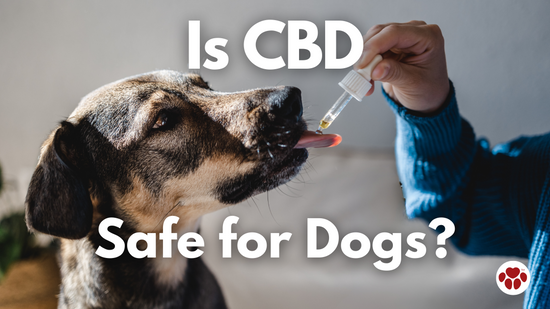
The rule of thumb for our bottles is to use 0.025ml per 1lb of body weight. So, to find your unique dosage, you can simply multiply 0.025ml with your dog's body weight.
However, we always recommend that you start from a lower dose so your dog gets adjusted first and to observe if there's any unwanted reaction. If there's none then gradually increase it to the recommended dose or even higher where your dog finds relief.
There's no hard rule on the exact amount. Different dogs react differently. The idea here is to allow your dog's body to adapt to the oil.
Splitting the dosage to twice daily, half in the morning after meal and another half in the evening before bedtime, could potentially offer more consistent results. This approach helps maintain a stable level of CBD in your dog's system throughout the day.
For the fastest, possibly leading to quicker results and most thorough absorption, lift the lip and apply CBD oil directly onto the gums or under the tongue so it goes directly into their bloodstream without traveling through their digestive system. This is also best for dogs having digestive issues.
Kindly refer to this video on how to administer it: How To Give Your Pet Transmucosal Medication
If you're having a hard time giving it through the gums, another method is rubbing the oil into the soft skin of your dog's inner ear. This works well like transmucosal because it does not go through the digestive tract, making it bioavailable.
If added to food, the supplement may not be as effective. It can take significantly longer to reach the bloodstream.
Remember, while CBD oil can help alleviate anxiety, it's not a cure-all. Combining it with other methods like conditioning and desensitization is highly recommended for a more holistic approach to your pets' well-being. Patience is key here, as some dogs might need more time to adjust than others.
Kindly access the CBD Happy-Furever™ Oil Success Guide to check the CBD's bioavailability according to manner of administration.
Also check this Canine Calm Blueprint for additional and helpful free training resources needed to achieve the full potential of our CBD products.
What is the proper way of weaning dogs off anxiety meds?
If your dog is responding well to CBD Happy-Furever™ Oil for anxiety, you can discuss with your veterinarian how to gradually reduce the dosage of their anxiety medications without triggering any unwanted effects.
The exact plan will differ according to which medication was prescribed, what dose and how long they have been taking it, and the severity of their symptoms. Your vet can help create a tapering schedule and agree on how often to monitor your dog during the transition.
Dr. Audrey Negrelli
Dr. Audrey Negrelli is committed to helping pets live healthier, happier lives through compassionate, science-based care. With years of veterinary experience in preventive medicine and wellness, she ensures that every PawOrigins® resource supports both safety and quality. Her mission is simple: to empower pet parents and give families more joyful, healthy years with their animals.