Is Your Dog Anxious? How to Spot the Signs and What to Do Next
|
|
Time to read 10 min


Loved by 50k+ pet parents


Loved by 50k+ pet parents


Loved by 50k+ pet parents


Loved by 50k+ pet parents
|
|
Time to read 10 min
Imagine for a moment that your world is suddenly full of unpredictable noises, unfamiliar faces, and moments where your most trusted companion simply vanishes without explanation, perhaps after moving to a new home. This isn't a sci-fi plot; for many dogs, this is their reality, leading to a state we call anxiety. It’s a common issue, and if you suspect your furry friend might be struggling with signs of anxiety, you're in the right place. Understanding canine anxiety and what your dog needs is the first step toward helping your beloved pet find peace.
Table of Content
It's easy to dismiss a dog's destructive chewing or relentless barking as "being bad," but often, these behavior problems are desperate cries for help, indicating a deeper issue with your dog’s behavior. Canine anxiety isn't about disobedience; it's a genuine emotional state characterized by worry, nervousness, or fear about anticipated future events or perceived threats. Just like humans, dogs can experience chronic stress that impacts their well-being, their behavior, and even their physical health. Recognizing this distinction is paramount. It shifts our perspective from punishment to empathy, opening the door to effective support and treatment.
Anxiety in dogs doesn't always wear a flashing neon sign, but there are common signs to look for. Sometimes it's a whispered complaint, other times a full-blown declaration. Learning to interpret these signals is like learning a new language – your dog's language.
Think of your dog's usual demeanor. Is he typically a social butterfly, but now he's hiding under the table when guests arrive? Or perhaps his house-training was impeccable, but suddenly there are accidents indoors. These shifts are often anxiety's calling card. Common behavioral indicators include excessive barking or whining, destructive chewing (especially around doors or windows if it's separation-related), inappropriate urination or defecation, pacing, restless sleep, and repetitive behaviors like tail-chasing or excessive licking of paws. Some anxious dogs might also become clingy, following you from room to room, while others might withdraw and avoid interaction.
Beyond the overt actions, your dog's body is a canvas painting his internal state. A tucked tail, ears back, yawning when not tired, lip licking, panting when it's not hot, or trembling are all classic physical signs of stress. You might also notice dilated pupils, excessive shedding, drooling, or even changes in appetite. Imagine a child who gets a stomachache before school due to nerves; dogs experience similar physical responses to their anxieties. Pay close attention to these subtle cues, as they often precede more dramatic behavioral outbursts.
Understanding the "why" behind your dog's anxiety is crucial for addressing it effectively. Anxiety isn't a one-size-fits-all condition; its origins are as varied as the dogs themselves.
This is perhaps one of the most commonly recognized forms of canine anxiety. Dogs are pack animals, deeply bonded to their human family members. When left alone, some dogs experience intense distress, fearing they've been abandoned. This manifests as frantic efforts to escape, destructive behavior targeting exits, excessive vocalization, and house-soiling, all occurring specifically when the owner is absent. It's not about spite; it's about panic.
Think of a child who is terrified of thunderstorms. Dogs can experience similar intense fear responses to specific stimuli. Common triggers include loud noises (fireworks, thunder, vacuums), unfamiliar people or animals, specific objects (e.g., the mailman's hat), or certain environments (the vet's office). This type of anxiety often leads to avoidance, trembling, hiding, or even aggression if the dog feels trapped and unable to escape the feared stimulus, such as in crowded dog parks.
As dogs age, just like humans, their cognitive abilities can decline. This condition, known as Canine Cognitive Dysfunction (CCD), can lead to disorientation, confusion, and increased anxiety. An old dog, particularly senior dogs, who suddenly starts pacing aimlessly, barking at inanimate objects, or becoming unusually clingy or withdrawn may be experiencing age-related anxiety. Their world feels less predictable, and their ability to cope diminishes.
Some dogs seem to live in a perpetual state of unease, without a clear, identifiable trigger. This "generalized anxiety" is characterized by chronic worry and nervousness across various situations. These dogs might be perpetually restless, jumpy, or easily startled. It’s like living with a low-level hum of stress constantly present, making everyday life a challenge.
Once you've identified the signs and considered the potential causes, it's time to take action. Helping your anxious dog requires patience, consistency, and a multi-faceted approach.
Think of your home as your dog's sanctuary. Provide a comfortable, secure space where he can retreat when feeling overwhelmed – a crate covered with a blanket, a quiet corner with his bed, or even just a designated mat. Ensure he has plenty of appropriate chew toys, puzzle feeders, and opportunities for mental stimulation to channel his energy positively. Routine is also key; a predictable daily routine for feeding, walks, and playtime can significantly reduce anxiety by making his world feel more controllable.
This is often the cornerstone of anxiety treatment, alongside proper socialization and consistent dog training. For fear-related anxieties, desensitization and counter-conditioning are powerful tools. Desensitization involves gradually exposing your dog to the feared stimulus at a very low intensity, while counter-conditioning involves associating that stimulus with something positive (like high-value treats). For separation anxiety, teaching your dog to be comfortable alone through very gradual, short absences, coupled with positive reinforcement, is essential. Positive reinforcement training, focusing on rewarding calm behavior, is universally beneficial. Avoid punishing anxious behaviors, as this will only exacerbate their fear.
Sometimes, behavioral modification alone isn't enough, especially for severe anxiety. Just like humans, dogs can benefit from medication. Your veterinarian might prescribe anti-anxiety medications, such as fluoxetine, to help reduce your dog's overall stress levels, making him more receptive to behavioral training. These medications are not a "cure-all" but a tool to help manage symptoms and create a window for successful behavior modification. This should always be discussed and prescribed by a qualified vet.
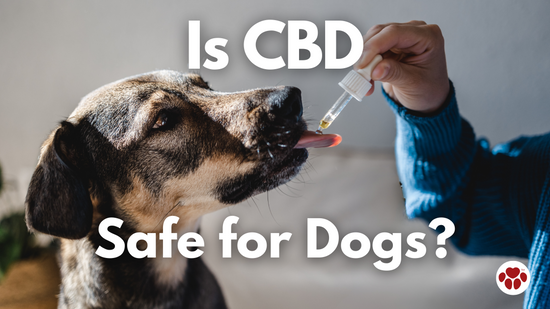
A variety of natural remedies and supplements are available, and while their efficacy can vary, some owners find them helpful. These include calming pheromone diffusers or collars, L-theanine, CBD oil (ensure it's specifically formulated for pets and discussed with your vet), or certain herbal supplements. Always consult your veterinarian before introducing any new supplement to ensure it's safe and won't interact negatively with other medications or conditions.
If you've tried initial strategies and your dog's anxiety persists, or if the behaviors are severe and disruptive, it's time for dog owners to call in the experts. Your first stop should always be your veterinarian (DVM). They can rule out any underlying medical conditions that might be contributing to anxiety symptoms and discuss prescription medication options. For more complex cases, a certified professional dog trainer (CPDT), a certified applied animal behaviorist (CAAB), or a veterinary behaviorist (DACVB) can provide tailored behavior modification plans. These specialists have the expertise to diagnose specific anxiety disorders and guide you through the most effective treatment strategies. Remember, you don't have to navigate your dog's anxiety alone; there are professionals ready to help both of you find peace and comfort.
How should I administer CBD oil to my dog for maximum effectiveness?
Administering the oil twice daily—once in the morning after a meal and another in the evening before bedtime—may help maintain consistent results throughout the day. This structured approach allows the oil to work effectively by maintaining a stable level in your pet's system.
Will your CBD products make my pet high?
Absolutely not! It's not possible for dogs to get 'high' off our CBD as they contain less than 0.3% THC, which won't cause any intoxicating effects. However, your pup might seem a lot more relaxed, and might be sleeping more - which is a healthy sign! Keep in mind that young puppies and senior dogs should be sleeping for up to 18-20 hours of their day, while adult dogs sleep approximately 16 hours.
The lack of quality sleep can affect their health and anxiety in many ways.
CBD can make older pooches act ‘puppy-like’ and nervous young pups feel calm. The ingredients that makeup hemp contribute to a balanced mood, resulting in a sense of relaxation for your pet.
How does Happy-Furever™ CBD work?
CBD, or cannabidiol, is a compound found in cannabis plants. Happy-Furever's Full-Spectrum CBD, is a formulation that contains not just CBD but also a range of other cannabinoids, terpenes, and phytochemicals found in the cannabis plant.
It's important to note that while Full-Spectrum CBD has potential benefits, it should be used responsibly and always start at a lower dosage before increasing with time, as dogs may be sensitive to oils in general. Always ensure the CBD product is of high quality and specifically formulated for pets to avoid harmful additives and ensure proper dosage (just like Happy-Furever™, ensure there's a Certificate of Analysis).
Is CBD legal? What's the difference with marijuana?
This is a common misconception and sometimes people wonder if CBD can cause a high or if its legal. The wonderful news is when CBD is derived from hemp, it cannot cause a high, and it is legal in the United States under the 2018 Farm Bill Act and in over 40 countries worldwide.
Historical books record the use of CBD in advanced ancient civilisations, and even in Scandinavian tradition. It's only in recent years did scientific advancement help us rediscover the power of this miracle plant! Industrial Hemp Plants contain less than 0.3% THC which is what allows it to be classified as a legal substance in the United States.
Our CBD products are NOT derived from marijuana plants.
While hemp and marijuana are technically the same species of plant, cannabis Sativa, and you can harvest CBD from marijuana, hemp and marijuana have differing phytochemical makeups. What distinguishes the two plants are their CBD and THC content. Hemp has a high CBD content and must have no more than 0.3% THC. Any plant over 0.3% THC is considered a marijuana plant in the United States.
All Paw Origins' CBD products are hemp-derived, containing high levels of CBD, a diverse cannabinoid, and terpene profile with under 0.3% THC.
Dr. Audrey Negrelli
Dr. Audrey Negrelli is committed to helping pets live healthier, happier lives through compassionate, science-based care. With years of veterinary experience in preventive medicine and wellness, she ensures that every PawOrigins® resource supports both safety and quality. Her mission is simple: to empower pet parents and give families more joyful, healthy years with their animals.