Help Your Dog with Anxiety: Medications & Solutions
|
|
Time to read 10 min


Loved by 50k+ pet parents


Loved by 50k+ pet parents


Loved by 50k+ pet parents


Loved by 50k+ pet parents
|
|
Time to read 10 min
Seeing your beloved canine companion in distress from anxiety can be heartbreaking. You’ve likely tried everything you can think of, and now you’re wondering if medication is the answer. You're in the right place. This guide isn't about pushing pills; it's about understanding how specific anti-anxiety medication, used thoughtfully and responsibly, can be a vital part of helping your dog live a happier, calmer life.
Table of Content
Before we dive into solutions, let’s get clear on what we’re dealing with. Anxiety isn't just "bad behavior;" it's a genuine emotional response that profoundly impacts your dog's overall wellness.
Anxiety in dogs wears many hats. It might manifest as constant barking, destructive behaviors like chewing, inappropriate urination or defecation, excessive licking, or pacing – all common behavior problems associated with canine anxiety. Some dogs become withdrawn, refusing to engage, while others might tremble, pant excessively, or even show aggression. Think of it like a human having a panic attack – their world feels overwhelming, and they're reacting to an intense internal state. If you’ve ever felt your heart race before a big presentation, imagine that feeling but without understanding why or how to make it stop. That's often what your anxious dog experiences.
If you're noticing consistent signs of anxiety, especially if they're severe, disruptive, or impacting your dog's quality of life (or yours), it's time to call in the experts. Don't wait until it becomes a crisis. Early intervention can make a world of difference. This isn't a sign of failure on your part; it's a sign of a responsible, caring owner who recognizes their dog needs more support than can be provided through simple behavioral changes alone.
It’s easy to feel apprehension about medicating your dog. Let's reframe this perspective. Medication, when prescribed appropriately, isn't a quick fix or a way to silence your dog; it's a tool that can unlock their ability to learn and cope.
Imagine your dog's brain is a busy highway. When anxiety strikes, it's like a traffic jam, with signals getting stuck or going haywire. Anxiety medications, primarily by influencing neurotransmitters like serotonin, dopamine, and norepinephrine, help to regulate these signals. They're like traffic controllers, easing the flow, reducing the intensity of the "noise," and creating a calmer internal environment. This doesn't sedate your dog into submission; rather, it takes the edge off their overwhelming anxiety, allowing them to process their environment and learn new, calmer responses.
"My dog will be a zombie." "It's just a band-aid." "I'm a bad owner if my dog needs medication." Let's shut down these myths right now. Modern FDA-approved veterinary anxiety medications are designed to reduce anxiety without significant sedation. They are not a band-aid, but a crucial component that allows behavioral therapy to be effective. And needing medication for your dog’s anxiety is not a sign of failure; it's a sign of profound care. You're acknowledging a complex medical issue and seeking the best possible treatment.
Veterinarians have several classes of medications they might consider, including trazodone and gabapentin, each working slightly differently. Remember, only a vet can diagnose and prescribe.
Similar to SSRIs, TCAs like clomipramine (often known by the brand name Clomicalm) also affect serotonin, as well as norepinephrine, another neurotransmitter involved in stress responses. They can be effective for various anxiety disorders, including separation anxiety. They work on a broader range of neurotransmitters than SSRIs, offering a different pathway to calmness.
Selective Serotonin Reuptake Inhibitors (SSRIs)
Medications like fluoxetine (Prozac) and sertraline (Zoloft) are commonly used for long-term management of chronic anxiety and behavioral conditions in pets, such as separation anxiety, generalized anxiety, and compulsive behaviors. They work by increasing levels of serotonin, a neurotransmitter that helps regulate mood and emotional responses, essentially promoting a more stable baseline temperament. These medications take several weeks to reach full effect and are intended for daily use rather than situational events.
Serotonin Antagonist and Reuptake Inhibitors (SARIs)
Medications like trazodone are frequently used in veterinary medicine for both situational and short-term anxiety relief, such as during travel, post-operative confinement, or veterinary visits. This class works by both increasing serotonin availability and blocking certain serotonin receptors, leading to a calming and mildly sedative effect. SARIs tend to act more quickly than SSRIs and are often used as needed, either alone or in combination with other long-term medications, to help manage breakthrough anxiety.
Medications like alprazolam (Xanax) and diazepam (Valium) are typically used for acute, situational anxiety (e.g., thunderstorms, vet visits, fireworks) because they work quickly. They enhance the effect of GABA, a calming neurotransmitter, essentially hitting the "pause" button on anxiety. However, due to potential for sedation and dependence, they are generally not recommended for long-term daily use for chronic anxiety.
Dexmedetomidine, available as an oral gel or sometimes as a chewable tablet, is an example. This class of medication works by calming the central nervous system. It’s excellent for noise phobias or other acute, predictable anxiety-inducing events, as it can be given shortly before the stressful event. It helps to reduce the physiological signs of fear and anxiety.
Medication is powerful, but it’s rarely a standalone solution. Think of it as opening a door; now you need to walk through it with your dog.
This is the cornerstone. Once medication has lowered your dog’s anxiety to a manageable level, they can actually learn. Desensitization (gradually exposing them to triggers in a controlled way) and counter-conditioning (changing their emotional response to a trigger) are vital. A certified professional dog trainer or veterinary behaviorist is invaluable here. They teach you and your dog coping mechanisms, replacing anxious reactions with calm ones through positive reinforcement.
A predictable routine and an enriched environment can significantly reduce anxiety. This means regular exercise, interactive toys, puzzle feeders, safe spaces, and consistent daily schedules. Imagine trying to relax in a chaotic, unpredictable environment; your dog feels the same.
Some over-the-counter supplements, like L-theanine, alpha-casozepine, melatonin, or probiotics, show promise for mild anxiety. However, their efficacy varies greatly, and they should always be discussed with your vet. Be wary of exaggerated claims; "natural" doesn't always mean effective or safe. For moderate to severe anxiety, supplements are generally not enough on their own.
Your veterinarian is your primary guide on this journey, providing essential veterinary care. They are the expert who understands both the physiology of anxiety and the pharmacology of medications.
Anxiety can stem from many causes, including underlying medical conditions like cognitive dysfunction. Your vet will conduct a thorough examination and potentially run tests to rule out other issues before diagnosing and treating anxiety. This critical first step ensures you're treating the right problem and developing an effective treatment plan.
Finding the right medication and dosage is often a process of trial and error. Your vet will want to monitor your dog closely for effectiveness and side effects. Be prepared to keep a journal of your dog's behavior and communicate regularly with your vet. This isn't a "set it and forget it" situation.
Let’s tackle some common questions head-on.
Many anxiety medications, particularly SSRIs, TCAs, and buspirone, are safe and often necessary for long-term use under veterinary supervision. Your vet will weigh the benefits against any potential risks, and regular check-ups will monitor your dog's health.
Side effects vary by medication but can include lethargy, drowsiness, gastrointestinal upset (vomiting, diarrhea), increased thirst, or changes in appetite. Most side effects are mild and transient, especially as your dog adjusts to the medication. Your vet will discuss specific side effects of the prescribed medication.
SSRIs and TCAs often take 4-8 weeks to reach their full therapeutic effect because they work by gradually altering brain chemistry. Acute medications like benzodiazepines work much faster, often within 30-60 minutes. Patience is key with long-term medications.
Absolutely, and it's highly recommended! Medication often works best when combined with behavioral modification, environmental management, and a strong, consistent routine. This holistic approach offers the greatest chance of success.
Don't despair. If the first medication doesn't work, your vet might adjust the dose, try a different medication, or suggest combining medications. Sometimes, referral to a veterinary behaviorist is the next step for complex cases. There are always more options to explore.
You are your dog’s best advocate. Taking the step to investigate anxiety medications shows incredible dedication and love. Remember, medication isn't a weakness; it's a powerful tool that, when combined with behavioral strategies and your vet's guidance, can help your dog reclaim their calm and truly thrive.
Will your CBD products make my pet high?
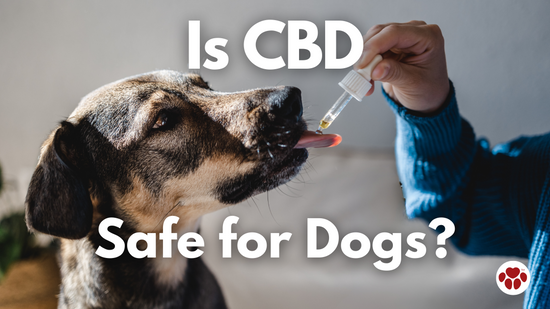
Absolutely not! It's not possible for dogs to get 'high' off our CBD as they contain less than 0.3% THC, which won't cause any intoxicating effects. However, your pup might seem a lot more relaxed, and might be sleeping more - which is a healthy sign! Keep in mind that young puppies and senior dogs should be sleeping for up to 18-20 hours of their day, while adult dogs sleep approximately 16 hours.
The lack of quality sleep can affect their health and anxiety in many ways.
CBD can make older pooches act ‘puppy-like’ and nervous young pups feel calm. The ingredients that makeup hemp contribute to a balanced mood, resulting in a sense of relaxation for your pet.
How does Happy-Furever™ CBD work?
CBD, or cannabidiol, is a compound found in cannabis plants. Happy-Furever's Full-Spectrum CBD, is a formulation that contains not just CBD but also a range of other cannabinoids, terpenes, and phytochemicals found in the cannabis plant.
It's important to note that while Full-Spectrum CBD has potential benefits, it should be used responsibly and always start at a lower dosage before increasing with time, as dogs may be sensitive to oils in general. Always ensure the CBD product is of high quality and specifically formulated for pets to avoid harmful additives and ensure proper dosage (just like Happy-Furever™, ensure there's a Certificate of Analysis).
Dr. Audrey Negrelli
Dr. Audrey Negrelli is committed to helping pets live healthier, happier lives through compassionate, science-based care. With years of veterinary experience in preventive medicine and wellness, she ensures that every PawOrigins® resource supports both safety and quality. Her mission is simple: to empower pet parents and give families more joyful, healthy years with their animals.