DIY Relief: How to Calm Your Dog's Separation Anxiety Naturally
|
|
Time to read 15 min


Loved by 50k+ pet parents


Loved by 50k+ pet parents


Loved by 50k+ pet parents


Loved by 50k+ pet parents
|
|
Time to read 15 min
You know that gut-wrenching feeling. The one where you’re gathering your keys, and your dog starts pacing, panting, or worse, barking incessantly. Leaving your dog alone can feel like abandoning a child, and the guilt gnaws at you. If your furry friend suffers from separation anxiety, you're not alone, and finding a reliable dog sitter or even a doggy daycare might be part of the solution. It’s a common, yet often misunderstood, struggle for both pets and their devoted pet parents. But before you despair, know this: there are powerful, natural, and DIY strategies you can implement right at home to help soothe your dog's anxious heart. We’re going to explore how to build a fortress of calm for your canine companion, empowering them to feel secure even when you’re not by their side.
Table of Content
Let's get one thing straight: your dog isn't acting out of spite or trying to exhibit behavior problems when they shred the couch or howl until the neighbors complain; understanding your dog’s behavior is key. Their actions stem from genuine distress. Separation anxiety is a panic attack, pure and simple, triggered by the fear of being home alone. It's a primal fear of abandonment, and understanding this is the first step toward empathy and effective intervention.
The signs can be subtle at first, escalating over time. You might notice excessive drooling, destructive chewing directed at exits (like doors or windows), inappropriate urination or defecation indoors (even if they're perfectly house-trained), excessive barking, howling, whining, or other forms of excessive vocalization, or even self-harm like excessive licking, all forms of destructive behavior. Some dogs become frantic, trying to escape their confinement, while others might simply pace incessantly. The key is that these behaviors only occur or intensify when they are left alone or anticipate your departure. If your dog exhibits these behaviors when you're home, it's likely a different issue.
While we can't ask our dogs directly, several factors can contribute to separation anxiety. It's often seen in dogs who have experienced abandonment, multiple rehomings, or spent time in shelters. A sudden change in routine, moving to a new home, the loss of a family member (human or animal), or even a change in the owner's work schedule can trigger it. Sometimes, it develops in overly attached dogs who have never learned to cope with solitude. It’s not about how much you love your dog; it’s about their ability to handle your absence.
Before we dive into specific remedies, we need to build a strong foundation. Think of it like constructing a house: you can't paint the walls before you lay the bricks. These foundational elements create a sense of predictability and safety that is crucial for an anxious dog.
Many people view crates as punishment, but for a dog, a properly introduced crate can be their ultimate sanctuary, a true safe place. Imagine it as their personal bedroom – a safe, cozy den where they can retreat and feel secure. The key is positive reinforcement and association. Never use the crate for punishment. Instead, make it an inviting space with comfortable bedding, toys, and treats. Feed them meals in the crate. Start with short periods, gradually increasing the time, always with the door open initially. The goal is for your dog to willingly enter and relax there. When they view their crate as a safe haven, it provides a consistent, comforting space when you’re away, reducing the urge to destructively seek an escape route. It channels their anxiety into a contained, familiar space.
Dogs thrive on routine. Their world makes sense when things happen at predictable times. A consistent schedule for feeding, walks, playtime, and potty breaks acts as an anchor, reducing uncertainty and anxiety. If your dog knows when to expect their meals, their walks, and even your departure and return, it lessens the "unknown" factor that can fuel their panic. Try to stick to a similar schedule even on weekends. This predictability allows them to anticipate what's coming next, making your absence less jarring. It's like knowing your favorite show will air every Tuesday; you don't panic on Monday because you know it's coming.
This is one of the most underrated and effective DIY remedies. A dog with pent-up energy is a dog primed for anxiety. Just like humans who feel restless when they haven't exercised, dogs need to burn off physical and mental energy. A long walk, a vigorous game of fetch, a trip to the dog park, or even some mental stimulation like puzzle toys before you leave can make a world of difference. The goal is to get them physically tired and mentally satisfied so that when you depart, they are more inclined to rest and nap rather than panic. Imagine trying to have a panic attack after running a marathon – it’s just harder to do. Aim for at least 30-60 minutes of solid exercise before your departure.
Once the foundation is set, we can explore natural aids that can help soothe your dog's nervous system. These aren't magic bullets, but they can be incredibly supportive when used in conjunction with behavioral strategies.
Just like humans, dogs are highly responsive to scent. Certain aromas can have a profound calming effect. Lavender essential oil, for instance, is well-known for its anxiolytic properties. You can use a diffuser (ensure it's dog-safe and in a well-ventilated area, never directly on your dog's skin or fur) with a few drops of high-quality, therapeutic-grade lavender oil. Another option is to spray a diluted lavender hydrosol (floral water) on their bedding or a bandana they wear. Chamomile and frankincense are other gentle, calming options. Always introduce scents gradually and observe your dog's reaction. If they seem uncomfortable, discontinue use. The key is subtlety; you don’t want to overwhelm their sensitive noses.
The market is flooded with calming supplements, and it can be hard to know what's effective. Look for supplements containing ingredients like L-Theanine (an amino acid found in green tea, known to promote relaxation without drowsiness), Tryptophan (a precursor to serotonin, the "feel-good" neurotransmitter), or natural herbs like valerian root or chamomile. Zylkene, a veterinary-recommended supplement derived from milk protein, is another popular choice. While these can help take the edge off, they are not a substitute for behavioral modification. Think of them as a gentle assist, like a warm blanket on a cold night, rather than a cure. Always consult your veterinarian before introducing any new supplement to ensure it's safe and appropriate for your dog, especially if they are on other medications.
The gut-brain axis is a hot topic in both human and animal health, and for good reason. A healthy gut microbiome can significantly influence mood and behavior. Just as in humans, an unbalanced gut can contribute to anxiety. Feeding a high-quality, whole-food diet free from artificial colors, flavors, and preservatives is crucial. Consider incorporating probiotics (either through a supplement or fermented foods like a tiny bit of plain, unsweetened kefir) into their diet. Omega-3 fatty acids, found in fish oil, also support brain health and can help reduce inflammation, which can contribute to overall well-being. A healthy dog on the inside is more likely to be a calm dog on the outside.
These strategies directly address your dog's reliance on your presence and teach them to cope with being alone. They require patience and consistency, but they yield lasting results.
While DIY remedies are powerful, it's essential to recognize when you might need to call in the cavalry.
If, despite consistent effort with the above strategies, your dog's anxiety is severe – meaning they are causing significant self-harm, severe property destruction, or prolonged, intense distress – it's time for professional intervention. If they're injuring themselves trying to escape, or if your neighbors are regularly complaining about incessant noise, these are strong indicators that your dog needs more than just at-home support. Don't view this as a failure on your part; severe anxiety is a complex behavioral issue that often benefits from a multi-modal approach.
When seeking help, look for a Certified Professional Dog Trainer (CPDT-KA) specializing in behavior, a Certified Applied Animal Behaviorist (CAAB), or a Veterinary Behaviorist (Dip ACVB), often holding a DVM. These professionals have specific training and experience in diagnosing and treating complex behavioral issues like separation anxiety. Your regular veterinarian can also be a great starting point, as they can rule out any underlying medical conditions and may refer you to a specialist.
A professional will conduct a thorough assessment, develop a customized behavior modification plan, and in some cases, may discuss prescription medication (like anti-anxiety medications such as fluoxetine, clomipramine, or Clomicalm) as a temporary aid to help your dog learn to cope. Remember, medication is typically used as a tool to lower anxiety enough for the behavioral training to be effective, not as a standalone solution.
Helping your dog feel better and overcome separation anxiety is a journey, not a sprint. It requires patience, consistency, and a deep understanding of their emotional world. By building a strong foundation, incorporating natural aids, and diligently practicing behavioral strategies, you can empower your beloved companion to feel secure, confident, and calm, even when you're not right by their side. You’re not just training a dog; you’re healing a heart.
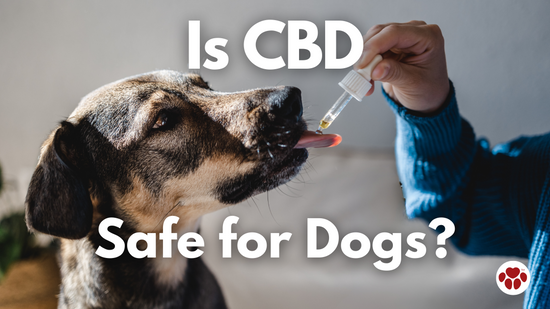
Is CBD Happy-Furever™ safe for dogs?
Yes, Happy-Furever™ is safe and designed for dogs!
As the stigma surrounding hemp-derived CBD continues to lessen, there’s no reason not to try CBD for your dog. However, we understand why some are still skeptical because in many ways CBD sounds too good to be true. So, we'll put your mind at ease, here’s why you’d be making the right choice:
Reputable health organizations all over the world including the World Health Organization (WHO) have deemed CBD a ‘safe & effective’ health alternative for both humans and animals. It's well-tolerated even in high doses, and it has very mild side effects.
Both Hemp and Marijuana are species of cannabis plants, and while they have the same cannabinoids and terpenes, the percentages and ratios differ immensely.
In particular, Hemp contains very low amounts of tetrahydrocannabinol (THC), where Marijuana contains higher percentages. High levels of THC results in the euphoria associated with marijuana.
Marijuana has approximately 20-30 % THC vs. industrial hemp 0.01-0.3% THC indicating marijuana has one hundred to a thousand times more tetrahydrocannabinol than hemp, a significant difference.
Happy-Furever only uses the highest quality CBD extracted using an industry-leading CO2 Extraction Process, making sure that the raw crops are not overheated or overprocessed, keeping the plant's diverse array of cannabinoids available. Watch as your dogs experience the positive benefits within days.
How soon can I expect results?
The response time to CBD Happy-Furever™ can indeed differ from one dog to another, as it is a natural supplement that dogs may need time to adapt to. Many dog parents have observed noticeable positive changes in their pets' behavior and well-being within just a few days of starting the supplement. Common early signs of the supplement taking effect include better sleep, a calmer demeanor, and an increased appetite—all indicators of a content and healthy dog.
As the weeks go by, further enhancements in your dog's health may become evident. You may notice a shinier coat, a reduction in bodily pains, and an increase in energy, evident from bursts of playful excitement like the "zoomies" during fetch.
It's crucial to acknowledge that, like humans, some dogs may require a longer period to fully benefit from natural supplements like CBD oil. Patience is key, and during this time, it's also important to continue reinforcing good behavior.
When CBD helps to bring your dog to a more tranquil state, it's an opportune moment to introduce new habits and work on phasing out any undesirable behaviors. Remember, while CBD can support your dog's well-being, it is not a substitute for consistent training and conditioning.
Keep an eye out for signs of improvement; sometimes, they may not be immediately obvious. Documenting your dog's journey with videos and photos can help you recognize progress that you might otherwise overlook.
Furthermore, improvements might be taking place internally, such as enhanced immune function or reduced inflammation, which aren't always visible. The absence of health issues can often be a silent testament to the efficacy of the supplement, reflecting your dog's overall health and vitality. So, while some benefits of CBD are seen, others are felt—a healthy dog is a happy dog, inside and out.
Can CBD Happy-Furever™ help my dogs with cognitive decline/cognitive dysfunction?
Research into CBD's effects on canine cognitive dysfunction is still in the early stages, but there is some evidence to suggest it may be beneficial. For instance, a study published in the Journal of Neuroscience found that cannabinoids could have neuroprotective effects, which means they may help protect brain cells from damage. This is a promising area of research for conditions like cognitive decline.
Specifically, regarding cognitive dysfunction in dogs, which is similar to dementia in humans, there is anecdotal evidence and some preliminary scientific backing that CBD may help mitigate some symptoms. This could be due to its anti-inflammatory properties, which may reduce brain inflammation, a contributing factor to cognitive decline, and its potential to support the endocannabinoid system, which plays a part in maintaining cognitive function.
Moreover, the carrier oil in CBD products can also contribute to cognitive health. Many CBD oils, including those for dogs, use MCT (Medium-Chain Triglyceride) oil as a carrier. MCT oil, often derived from coconut oil, has been studied for its potential cognitive benefits.
For example, a study in the "Journal of Alzheimer's Disease" showed that MCTs could provide an alternative energy source for brain cells that have lost the ability to use glucose efficiently, a common issue in aging brains and cognitive decline.
MCT oil is broken down into ketones, which are an alternative energy source for the brain and may help improve brain function in dogs with cognitive dysfunction. This is why MCT oil is often recommended for dogs with signs of cognitive decline, as it may help to support brain health and cognitive function.
If your dog suffers from cognitive dysfunction or if you're seeing signs of cognitive decline due to old age, we would highly recommend that you get them started on Happy-Furever™.
Can CBD Happy-Furever™ help my dogs with cancer?
CBD Happy-Furever™ could potentially offer supportive benefits for dogs dealing with cancer, though it's important to understand that research is ongoing.
Evidence points to CBD's anti-inflammatory properties, which may help alleviate pain and inflammation often experienced by dogs with cancer. Its analgesic effects could make it a complementary option for pain management, potentially improving the quality of life for canine patients.
Additionally, the anti-anxiety and anti-nausea properties of CBD can be particularly beneficial, helping to reduce the stress and discomfort associated with rigorous cancer treatments such as chemotherapy. These treatments, while targeting cancer cells, can also lead to a reduced appetite and increased anxiety in pets, and CBD may help to mitigate these side effects, making the treatment process more tolerable.
Moreover, there are studies indicating that CBD might possess antitumor properties. Some laboratory and animal studies have suggested that CBD could inhibit the growth and proliferation of certain cancer cell lines. Although these findings are preliminary and more research is needed to establish a direct link between CBD and cancer cell eradication, they are promising and suggest a potential role for CBD in cancer therapy in the future.
Should you like to incorporate this treatment, and you'd like your vet's opinion - it's important to approach your vet from a place of seeking guidance rather than expecting them to advocate for its use. This approach allows you to take responsibility for the choice while seeking their professional insight on how to do so safely.
Not all veterinarians may be fully aware of the potential benefits of CBD as vets are not allowed to prescribe CBD Oil as it's not considered a prescription drug, and many vets would rather just adopt a 'do no harm' approach to protect their practice.
Dr. Audrey Negrelli
Dr. Audrey Negrelli is committed to helping pets live healthier, happier lives through compassionate, science-based care. With years of veterinary experience in preventive medicine and wellness, she ensures that every PawOrigins® resource supports both safety and quality. Her mission is simple: to empower pet parents and give families more joyful, healthy years with their animals.