Canine Separation Anxiety: A Comprehensive Guide for Owners
|
|
Time to read 17 min


Loved by 50k+ pet parents


Loved by 50k+ pet parents


Loved by 50k+ pet parents


Loved by 50k+ pet parents
|
|
Time to read 17 min
As dog owners, or rather, pet parents, we cherish the unconditional love and companionship our furry friends provide. We often consider them integral members of our families, and the thought of them suffering brings us immense distress. One particular challenge that many owners face, often unknowingly, is canine separation anxiety. It’s a complex and heartbreaking issue, but with understanding, patience, and the right strategies, you can help your dog overcome this debilitating condition.
Table of Content
Imagine being utterly terrified every time the person you depend on most leaves the room, leaving your dog alone. That's a glimpse into the world of a dog with separation anxiety. It’s not just a minor inconvenience; it's a genuine phobia, an intense panic attack triggered by the absence of their primary attachment figure.
Let's be clear from the outset: a dog exhibiting destructive behavior, excessive barking, or house-soiling when left alone is not doing it out of spite or a desire to "get back at you." These are manifestations of intense fear and distress. Your dog isn't being "naughty"; they're experiencing a panic attack, and their behaviors are desperate attempts to cope with overwhelming anxiety. Understanding this fundamental truth is the first crucial step in helping them. It shifts your perspective from frustration to empathy, which is vital for successful intervention.
At its core, canine separation anxiety is a behavioral disorder characterized by extreme distress when a dog is separated from its primary attachment figure or figures. It's an irrational fear response, an emotional meltdown, that occurs when the dog is left alone.
Just like humans, dogs experience anxiety on a spectrum. Some dogs might show mild signs, like pacing or whining for a few minutes after you leave. Others might escalate to full-blown panic attacks, involving self-harm, destructive behavior, or relentless vocalization. This spectrum is important to recognize because it informs the intensity and approach of your intervention. It’s rarely a black-and-white issue; rather, it’s a gradient of fear and reactivity that we need to address with nuance.
Understanding why separation anxiety occurs is a bit like being a detective. There's rarely a single smoking gun; often, it's a confluence of factors that contribute to its development. While the exact cause can be elusive, several theories shed light on its origins.
One common theory links separation anxiety to past traumatic experiences. This could be anything from being abandoned, rehomed multiple times, or experiencing a significant traumatic event while alone. For example, a dog who was rescued from a hoarding situation where they spent extended periods alone in distress might be particularly susceptible. Similarly, a dog who experienced a terrifying thunderstorm or a home invasion while their owner was away could develop an association between solitude and fear. The dog learns that being alone is inherently dangerous, leading to a profound fear of isolation.
While any dog can develop separation anxiety, some anecdotal evidence and emerging research suggest certain breeds might be more predisposed. Breeds traditionally bred for companionship and close human interaction, like Bichon Frises, Cocker Spaniels, Border Collies, German Shepherds, or Labs, might exhibit higher tendencies. This isn't to say all dogs of these breeds will have separation anxiety, but their inherent drive for connection and early socialization might make them more vulnerable to distress when that connection is broken. It's less about a genetic "anxiety gene" and more about an intensified need for social contact.
This theory delves into the nature of the bond between dog and owner. While not as extensively studied as human attachment styles, the concept suggests that an overly dependent or insecure attachment style can contribute to separation anxiety. This isn't about "spoiling" your dog, but rather about the dog's internal feeling of security. If a dog feels utterly helpless without its owner, their distress when alone will naturally be amplified. Conversely, a dog with a secure attachment still loves its owner but feels confident that the owner will return and that they can cope in the interim.
Significant environmental changes can also trigger separation anxiety. Moving to a new home, a sudden change in an owner's work schedule (e.g., from working at home to going into an office), the death of another pet or family member, or even a sudden illness in the owner can all disrupt a dog's sense of security and routine. Imagine a dog who has always had someone home, and then suddenly, their world shifts, and they're left alone for extended periods. This abrupt change can be profoundly destabilizing, leading to anxiety.
Recognizing the signs of separation anxiety is crucial for early intervention. These behaviors aren't just "annoying"; they are cries for help.
The anxiety often begins even before you walk out the door. Your dog might become hyper-vigilant, shadowing you from room to room. As you gather your keys or put on your shoes, they might start to whine, pace, or even try to block your exit. This anticipatory anxiety is a strong indicator that they associate these pre-departure cues with impending distress. They're already starting to panic before you've even left.
This is where the more dramatic and destructive behaviors typically occur.
Excessive Vocalization: Prolonged barking, howling, or whining, often to the distress of neighbors. This isn't just a few barks; it's sustained, frantic vocalization.
Destructive Chewing: Chewing on door frames, furniture, personal items, or anything that holds your scent. This isn't playful chewing; it's often frantic and can lead to self-injury. They might try to chew their way out of a crate or room.
House Soiling: Urinating or defecating indoors, even if they are reliably house-trained. This is not defiance; it's a physiological response to extreme stress, much like a person might become incontinent during a panic attack.
Pacing and Panting: Relentless pacing, often in a circular pattern, accompanied by heavy panting, even in cool temperatures. This indicates a high level of physiological arousal and anxiety, sometimes accompanied by excessive drooling or salivation.
Escaping Attempts: Trying to break out of their crate, a room, or even the house, often resulting in injuries like broken teeth or torn nails. This is a desperate attempt to reunite with you.
Self-Harm: In some severe cases, dogs might lick or chew themselves raw, particularly their paws, or engage in other forms of self-mutilation.
When you return, a dog with separation anxiety will often exhibit an exaggerated greeting. This isn't just excitement; it's often a frantic, prolonged display of jumping, whining, licking, and an inability to settle. It's as if they're expressing immense relief that the terrifying ordeal is over and a desperate need to reconnect. The energy is often overwhelming and can take a long time to subside.
It's crucial to differentiate true separation anxiety from other behavioral issues that might present with similar symptoms, understanding the nuances of your dog’s behavior. Misdiagnosis can lead to ineffective treatment and prolonged suffering for your dog.
Destructive Chewing: A puppy might chew on furniture out of boredom or during teething. A dog with separation anxiety chews frantically, often targeting exits or items with your scent, specifically when alone. If your dog chews extensively when you're home and attentive, it's likely not separation anxiety.
House Soiling: An untrained puppy might have accidents. An older dog might have medical issues (e.g., urinary tract infection) or simply not be able to hold it for too long. If your dog only soils when alone, and is otherwise perfectly house-trained, separation anxiety is a strong possibility.
Barking: Some dogs are "alert barkers" and will bark at every passing squirrel. Others might bark out of boredom. With separation anxiety, the barking is often sustained, distressed, and occurs only when left alone. If your dog barks equally when you're home and away, it's likely a different issue.
Boredom: A bored dog might chew or explore, but their behavior typically lacks the frantic, panicked intensity of separation anxiety. They might also settle down eventually. An anxious dog often cannot settle.
The key differentiator is the context: do these behaviors only occur when the dog is alone or perceives themselves to be alone? If the answer is yes, separation anxiety is very likely the culprit.
Treating separation anxiety is not a quick fix; it's a journey requiring commitment, consistency, and a multi-faceted approach. Think of it as peeling back the layers of an onion, addressing both the symptoms and the underlying fear.
Before implementing any specific techniques, you must internalize that your dog is suffering, not misbehaving. Patience is your most potent tool. There will be setbacks, but every small step forward is a victory. Your calm, consistent demeanor will be a bedrock for your dog's recovery.
The immediate goal is to prevent your dog from experiencing the anxiety-inducing situation. This means not leaving them alone in a situation where they will panic.
Never Punish: Punishing an anxious dog will only increase their fear and damage your bond.
Avoid Triggers: If possible, arrange for dog sitters, doggy daycare, or ask friends/family to watch your dog during the initial stages of treatment. The less your dog practices the anxious behaviors, the better.
Safe Space: Create a comfortable, quiet "den" or safe place for your dog. This could be a crate (if they are crate-trained and comfortable in it), a spare room, or a corner with their bed and toys. Avoid using the crate as punishment, and never force an anxious dog into a crate if they're not comfortable.
Departure/Arrival Cues: Minimize the drama around your departures and arrivals. Avoid long, emotional goodbyes or overly enthusiastic greetings. Walk out calmly, and when you return, wait until your dog is settled (even just for a few seconds) before calmly greeting them.
This is the cornerstone of treating separation anxiety. You're gradually exposing your dog to short periods of solitude while creating positive associations.
Desensitization: This involves gradually increasing the duration of your absence, starting with incredibly short periods. Begin with "fake departures" where you go through your departure routine (keys, coat, etc.), but don't actually leave. Do this repeatedly until your dog shows no anxiety.
Counter-Conditioning: Pair your departure with something wonderful. This usually means a high-value, long-lasting treat or puzzle toy (e.g., a frozen KONG stuffed with peanut butter or a chewy treat). Give this just as you leave, and take it away when you return. The idea is for your dog to associate your departure with this special treat.
The "Practice Absences": Start by stepping out the door for literally 5 seconds, then return. Gradually increase this amount of time. If your dog remained calm, praise them gently, pick up the treat, and then ignore them for a few minutes before repeating, utilizing positive reinforcement. Gradually increase the time: 10 seconds, 30 seconds, 1 minute, 2 minutes, 5 minutes, and so on. Never increase the time if your dog shows any signs of anxiety. If they do, go back to a shorter duration where they were successful. This process can take weeks or months.
This involves teaching your dog that it's okay, and even pleasant, to be independent even when you are home.
"Go to Your Place" Training: Teach your dog to settle on their bed or in their designated safe space while you move around the house. Reward them for staying there calmly.
Planned Ignorance: Practice periods where you deliberately ignore your dog for 15-30 minutes while you are home. This teaches them that your presence isn't constantly tied to interaction.
Random Departures/Arrivals: Mix up your routine. Sometimes leave for 2 minutes, sometimes 20. Sometimes leave without all your usual cues. This prevents your dog from becoming fixated on a predictable pattern.
A physically and mentally exhausted dog is less likely to have the energy reserves to fuel an anxiety attack.
Physical Exercise: Ensure your dog gets plenty of physical activity tailored to their breed and age. A long walk, a run, or a vigorous play session before you plan to leave can make a significant difference.
Mental Stimulation: Puzzle toys, sniff walks, training sessions, and interactive games can drain mental energy just as effectively as physical exercise. Give them a challenging puzzle toy when you leave to keep their mind engaged.
While not a standalone solution, diet and certain supplements can support a dog's overall well-being and potentially reduce anxiety.
High-Quality Diet: A balanced, nutritious diet is fundamental for overall health. Avoid cheap fillers and artificial additives.
Anxiety-Reducing Supplements: Talk to your veterinarian about supplements like L-theanine, Zylkene (alpha-casozepine), or calming pheromone diffusers/collars. These can sometimes help to lower anxiety levels, making behavioral modification more effective.
In moderate to severe cases, behavioral modification alone might not be enough. Just like humans with panic disorders, some dogs benefit significantly from anti-anxiety medication, such as clomipramine.
Veterinary Consultation: This step must be done in consultation with your veterinarian or a veterinary behaviorist. They can prescribe appropriate medications (e.g., fluoxetine, Clomicalm) that can help reduce your dog's overall anxiety levels, making them more receptive to training and able to learn new coping mechanisms.
Not a "Cure-All": Medications are not a magic bullet; they are tools to help manage anxiety so that behavioral modification can be more effective. They should always be used in conjunction with a comprehensive training plan.
Recognizing when to call in the cavalry is crucial. If you've tried the initial steps and see little improvement, or if your dog's anxiety is severe (e.g., self-harm, constant destruction), don't hesitate.
Certified Professional Dog Trainer (CPDT-KA/KPA CTP): A qualified trainer with experience in separation anxiety can help you implement behavioral modification techniques safely and effectively. They can assess your dog's body language and guide you through the desensitization process.
Veterinary Behaviorist (Dip. ACVB): For severe cases, a veterinary behaviorist is often the best choice. They are veterinarians with specialized training in animal behavior, qualified to diagnose complex behavioral disorders, prescribe medication, and develop comprehensive treatment plans integrating both medical and behavioral strategies. They can also rule out underlying medical conditions that might be contributing to the behavior.
The journey to overcome separation anxiety can be long, but it's incredibly rewarding. It requires immense dedication, but the bond you forge with your dog through this process will be stronger than ever.
There will be days of frustration and setbacks. You might feel like you're not making progress. This is why it's vital to celebrate every tiny victory: your dog stayed calm for 30 seconds alone, they didn't chew the doorframe today, they greeted you calmly. These small wins accumulate and lead to significant breakthroughs. Stay positive, stay consistent, and remember why you started this journey.
Separation anxiety is a profound challenge, but it's also an opportunity to deepen your understanding and connection with your dog. By approaching it with empathy, patience, and a structured plan, you can guide your beloved companion toward a life where being alone no longer means being utterly terrified. It's a journey of love, resilience, and ultimately, a testament to the incredible bond you share. Your dog needs you to be their calm, confident leader through this storm, and with your help, they can learn that even when you're not there, they are safe, loved, and capable of coping.
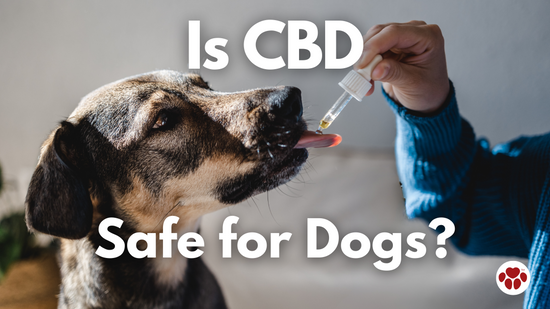
How do I use CBD Happy-Furever™ for my dog? What's the most effective way?
(1a) Transmucosal applications or rubbing CBD oil onto your dog's gums.
(1b) Rub into the soft skin of your dog's inner ear
(2) Apply directly on dog food - drop it on their food and mix it well.
(3) Apply directly onto treat - trick or treat?
Important note: dogs may be sensitive to oils in general, always start at a low dosage, and slowly increase with time.
Is CBD Happy-Furever™ safe for dogs?
Yes, Happy-Furever™ is safe and designed for dogs!
As the stigma surrounding hemp-derived CBD continues to lessen, there’s no reason not to try CBD for your dog. However, we understand why some are still skeptical because in many ways CBD sounds too good to be true. So, we'll put your mind at ease, here’s why you’d be making the right choice:
Reputable health organizations all over the world including the World Health Organization (WHO) have deemed CBD a ‘safe & effective’ health alternative for both humans and animals. It's well-tolerated even in high doses, and it has very mild side effects.
Both Hemp and Marijuana are species of cannabis plants, and while they have the same cannabinoids and terpenes, the percentages and ratios differ immensely.
In particular, Hemp contains very low amounts of tetrahydrocannabinol (THC), where Marijuana contains higher percentages. High levels of THC results in the euphoria associated with marijuana.
Marijuana has approximately 20-30 % THC vs. industrial hemp 0.01-0.3% THC indicating marijuana has one hundred to a thousand times more tetrahydrocannabinol than hemp, a significant difference.
Happy-Furever only uses the highest quality CBD extracted using an industry-leading CO2 Extraction Process, making sure that the raw crops are not overheated or overprocessed, keeping the plant's diverse array of cannabinoids available. Watch as your dogs experience the positive benefits within days.
What exactly is in CBD Happy-Furever™ Oil?
> USA-Grown Premium Full-Spectrum CBD Oil Extract (1,000mg)*
> Medium-Chain Triglycerides (MCT) Oil (Derived From Coconut Oil)
> Organic Natural Flavoring (Derived From Organic Ingredients)
Take a look around, and you will quickly find why our product is superior:
(1) Entourage Effect of Full-Spectrum CBD: Premium Full-Spectrum CBD Oil contains not just CBD but a range of other cannabinoids, terpenes, and phytonutrients found in the hemp plant. These components work synergistically in what's known as the "entourage effect," enhancing each other's effects and providing a more comprehensive therapeutic benefit than CBD isolate, which contains only pure cannabidiol.
(2) Benefits of MCT Oil as a Carrier: MCT (Medium-Chain Triglycerides) Oil is an excellent carrier for CBD due to its own health benefits. It's easily digested and can be used for immediate energy, supporting metabolism. MCT Oil also enhances the absorption of CBD, ensuring more of the active compound reaches the bloodstream, thereby increasing the efficacy of the CBD product.
(3) High Quality Yet Value For Money: Our 1,000mg tincture would be more affordable than other brands' 500mg tincture. In some cases, half the price of our competitor's 1,000mg version.
(4) High Potency & Effectiveness For Long-Lasting Results: Due to our product's higher potency compared to our competitors' less potent versions, you'll be able to use less oil each time. This translates to a longer-lasting product and a more robust entourage effect!
What's the recommended dosage of Happy-Furever™ for my dogs?
We have a recommended dosage schedule based on Veterinarian's advice This information can be found on the back of all our product's packaging. Different dogs (of different weight and sizes) would require different dosages.
The rule of thumb for our bottles is to use 0.25ml per 10lbs of body weight, or 0.025ml per 1lbs of body weight. OR 0.5mg of CBD per 1lb of body weight.
So, if you're using the oil - to find your unique dosage, you can simply multiply 0.025ml with your dog's body weight.
As you can see, the recommended dosage would be ~ 1.55ml. However, you can start with half the dosage and slowly increase your way to the point where your dog finds relief.
Access the CBD Happy-Furever™ Oil Success Guide.
So, if you're using the chews - bear in mind each chew has 25mg of CBD, so in this case based on your dog's body weight of 62lbs.
Access the CBD Happy-Furever™ Chews Success Guide.
Some dogs find relief with a lower dose, and some might need a higher dose. Every dog is unique, and there's no hard rule. This rule of thumb is here to give you a framework.
Dosing is more of an art not a science. There's no hard rule on the exact amount. Different dogs react differently, but it's always best practice to start off at a lower dosage and adjust accordingly. Give your dog's body to adapt. If your dog is having digestive upsets, it's likely because you're giving them too much, too soon.
Dr. Audrey Negrelli
Dr. Audrey Negrelli is committed to helping pets live healthier, happier lives through compassionate, science-based care. With years of veterinary experience in preventive medicine and wellness, she ensures that every PawOrigins® resource supports both safety and quality. Her mission is simple: to empower pet parents and give families more joyful, healthy years with their animals.