


Why do dog allergies flare up after rain?
Table of Contents
The Connection Between Rain and Dog Allergies
What Causes Dogs to React to Everyday Allergens?
How to Help Dogs With Seasonal Allergies Feel More Comfortable
How Does PawOrigins Help With Long-Term Allergy Relief?
The Connection Between Rain and Dog Allergies

Many pet owners notice a peculiar trend: their dog's allergies seem to worsen after a rainy day. This phenomenon can be attributed to various factors influenced by the weather. Rainfall can increase pollen levels, mold spores, and dust mites in the environment, triggering allergic reactions in sensitive dogs. Wet weather also creates a damp environment that promotes the growth of allergens, exacerbating symptoms like itching, sneezing, and skin irritation in dogs prone to allergies. Understanding this connection can help pet owners better manage their furry friend's health.
What Causes Dogs to React to Everyday Allergens?
Dogs are naturally exposed to allergens in their food, environment, and even through grooming products, but not all dogs react the same. For allergic dogs, their immune system treats these benign substances as dangerous invaders, leading to an exaggerated defense response. The problem isn’t the allergen itself, but how the immune system perceives it—essentially a case of mistaken identity. Triggers like pollen, dust mites, mold, chicken, wheat, or artificial additives can lead to widespread inflammation when the immune system is already imbalanced. Genetics, gut health, toxin exposure, and early diet all play roles in setting this sensitivity into motion. Once the immune system is in this reactive state, even minor exposures can cause a full-blown allergic response, making daily life more uncomfortable for your pup.
How to Help Dogs With Seasonal Allergies Feel More Comfortable
Seasonal allergies can make even the happiest dog seem miserable, especially during high pollen months or mold-heavy seasons. Reducing your dog’s time outdoors during peak allergen hours can make a big difference, especially after rain or wind. Wiping their paws and underbelly after walks prevents allergens from spreading inside your home and onto their bedding. Adding immune-balancing supplements with ingredients like colostrum or bee pollen can help moderate reactions to seasonal changes. Natural antihistamine herbs like nettle or quercetin are also helpful in lowering histamine responses without the side effects of synthetic drugs. When supported holistically, many dogs experience reduced sensitivity to seasonal irritants and bounce back more quickly after exposure.
How Does PawOrigins Help With Long-Term Allergy Relief?
PawOrigins Clear-Allergies™ Chews offer lasting support by working on all three key stages of the allergic response: gut permeability, immune overactivation, and histamine release. Unlike temporary treatments, these chews build resilience by helping your dog’s body stop overreacting in the first place. Many pet parents report visible results within weeks, including calmer skin, fewer flare-ups, and improved digestion. They’re ideal for dogs that react to food, grass, dust, or seasonal changes and can be used year-round to keep symptoms in check. With no fillers or artificial ingredients, they provide a clean and comprehensive approach to allergy care that fits into any routine.


Frequently Asked Questions
How does CBD help dogs?
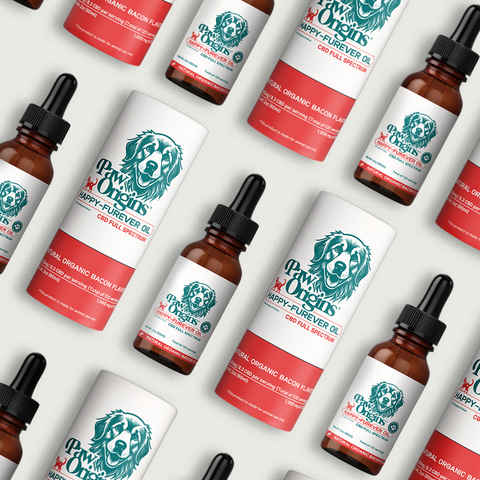
CBD oil supports dogs' well-being by interacting with their endocannabinoid system, which helps regulate mood, pain, inflammation, and immune responses. It is especially beneficial for senior dogs or those with arthritis, easing discomfort and improving mobility. Full-Spectrum (1,000mg) Happy-Furever® CBD Oil is formulated to reduce inflammation and support joint health, making it ideal for aging pets or dogs recovering from injuries.
Is CBD safe for dogs long term?
Yes, CBD is safe for long-term use in dogs when sourced from a high-quality, properly dosed product. Unlike some medications, it supports pain, anxiety, and inflammation relief without causing dependency or organ damage. Full-Spectrum (1,000mg) Happy-Furever® CBD Oil is third-party tested, organic, and non-GMO, making it a safe, non-psychoactive option for daily wellness support.
How to Give a Dog CBD Oil?
The most efficient way to administer CBD oil is directly into the mouth, under the tongue, or along the gum line for fast absorption. Mixing it into food or placing it on a soft treat is also effective, though absorption may take longer. Most dogs benefit from CBD once or twice daily, depending on their needs. Consistency is key, as CBD builds up in the system over time, leading to more noticeable long-term benefits.
Can CBD Calm Anxious Dogs?
CBD works by interacting with a dog’s endocannabinoid system (ECS), a network of receptors responsible for regulating mood, stress response, and overall well-being. By promoting balance in the nervous system, CBD helps reduce cortisol (the stress hormone), while increasing serotonin levels, fostering relaxation without drowsiness. Unlike sedatives, CBD allows dogs to remain alert and engaged while feeling calmer and more secure.
Should I Give My Elderly Dog CBD?
As dogs age, they often experience joint pain, inflammation, cognitive decline, and decreased mobility. Senior dogs may struggle with everyday activities like climbing stairs, jumping on the couch, or going for walks. CBD Oil provides a natural solution to help aging dogs maintain their quality of life by supporting joint function, reducing discomfort, and promoting relaxation.