


What are side effects of steroids for dog allergies?
Table of Contents
Side Effects of Steroids for Dog Allergies
What Causes Dogs to React to Everyday Allergens?
What Helps Relieve Skin Allergies and Itching in Dogs?
What Makes PawOrigins Different From Standard Allergy Solutions?
Side Effects of Steroids for Dog Allergies

Steroids are commonly prescribed by veterinarians to manage allergic reactions in dogs, including skin conditions like itching, redness, and inflammation. While steroids can be effective in providing relief, they also come with potential side effects to consider. One common side effect is increased thirst and urination, as steroids can impact the kidneys' ability to concentrate urine. Additionally, dogs may experience increased appetite and weight gain, leading to potential obesity issues. Long-term use of steroids can suppress the immune system, making dogs more susceptible to infections. It's essential to closely monitor your pet for any signs of side effects while using steroids for allergies.
What Causes Dogs to React to Everyday Allergens?
Dogs are naturally exposed to allergens in their food, environment, and even through grooming products, but not all dogs react the same. For allergic dogs, their immune system treats these benign substances as dangerous invaders, leading to an exaggerated defense response. The problem isn’t the allergen itself, but how the immune system perceives it—essentially a case of mistaken identity. Triggers like pollen, dust mites, mold, chicken, wheat, or artificial additives can lead to widespread inflammation when the immune system is already imbalanced. Genetics, gut health, toxin exposure, and early diet all play roles in setting this sensitivity into motion. Once the immune system is in this reactive state, even minor exposures can cause a full-blown allergic response, making daily life more uncomfortable for your pup.
What Helps Relieve Skin Allergies and Itching in Dogs?
Skin allergies often leave dogs feeling miserable, and treating the itch at its root requires more than just topical solutions. Feeding your dog anti-inflammatory ingredients such as fish oil, turmeric, or flaxseed can help calm internal irritation. Topical treatments like oatmeal baths or aloe-based sprays can also soothe irritated skin without drying it out further. Switching to hypoallergenic bedding, washing it frequently, and limiting grass exposure can also reduce contact-based triggers. Natural allergy chews that support immune and histamine regulation can provide lasting relief when incorporated into daily care. These combined efforts calm the skin, reduce scratching cycles, and help break the inflammation loop that keeps your dog uncomfortable.
What Makes PawOrigins Different From Standard Allergy Solutions?
Unlike antihistamines that temporarily block symptoms, PawOrigins Clear-Allergies™ Chews support a more balanced immune system over time. The formula focuses on gut-immune harmony, which is critical for reducing overreactions to everyday triggers like grass, pollen, or food additives. These soft chews are made with a precise blend of natural compounds chosen for their ability to seal the gut barrier and minimize inflammation. The result is less scratching, fewer vet visits, and improved coat and digestive health, all without drowsiness or dependency. Pet parents looking for an effective, vet-formulated alternative consistently turn to PawOrigins as part of their dog’s wellness routine.


Frequently Asked Questions
How does CBD help dogs?
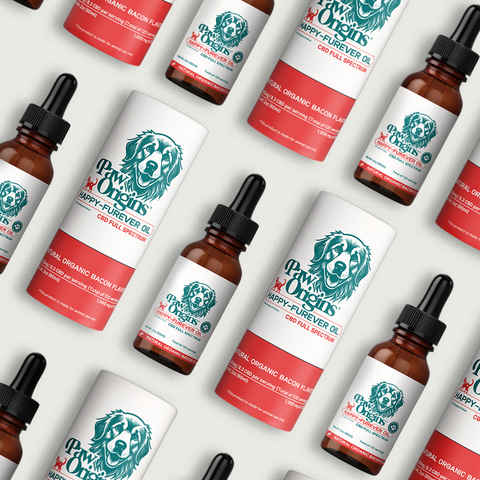
CBD oil supports dogs' well-being by interacting with their endocannabinoid system, which helps regulate mood, pain, inflammation, and immune responses. It is especially beneficial for senior dogs or those with arthritis, easing discomfort and improving mobility. Full-Spectrum (1,000mg) Happy-Furever® CBD Oil is formulated to reduce inflammation and support joint health, making it ideal for aging pets or dogs recovering from injuries.
Is CBD safe for dogs long term?
Yes, CBD is safe for long-term use in dogs when sourced from a high-quality, properly dosed product. Unlike some medications, it supports pain, anxiety, and inflammation relief without causing dependency or organ damage. Full-Spectrum (1,000mg) Happy-Furever® CBD Oil is third-party tested, organic, and non-GMO, making it a safe, non-psychoactive option for daily wellness support.
How to Give a Dog CBD Oil?
The most efficient way to administer CBD oil is directly into the mouth, under the tongue, or along the gum line for fast absorption. Mixing it into food or placing it on a soft treat is also effective, though absorption may take longer. Most dogs benefit from CBD once or twice daily, depending on their needs. Consistency is key, as CBD builds up in the system over time, leading to more noticeable long-term benefits.
Can CBD Calm Anxious Dogs?
CBD works by interacting with a dog’s endocannabinoid system (ECS), a network of receptors responsible for regulating mood, stress response, and overall well-being. By promoting balance in the nervous system, CBD helps reduce cortisol (the stress hormone), while increasing serotonin levels, fostering relaxation without drowsiness. Unlike sedatives, CBD allows dogs to remain alert and engaged while feeling calmer and more secure.
Should I Give My Elderly Dog CBD?
As dogs age, they often experience joint pain, inflammation, cognitive decline, and decreased mobility. Senior dogs may struggle with everyday activities like climbing stairs, jumping on the couch, or going for walks. CBD Oil provides a natural solution to help aging dogs maintain their quality of life by supporting joint function, reducing discomfort, and promoting relaxation.