


How do i know if my dog has a contact allergy?
Table of Contents
How Do I Know If My Dog Has A Contact Allergy?
Why Do Dogs Develop Allergies?
What Can You Do If Your Dog Doesn’t Respond to Allergy Medications?
How Does PawOrigins Help With Long-Term Allergy Relief?
How Do I Know If My Dog Has A Contact Allergy?

Identifying a contact allergy in dogs can be challenging as symptoms may vary. Watch for signs like itching, redness, or skin irritation after contact with certain substances. Your dog might scratch excessively or develop rashes in specific areas. If you suspect a contact allergy, consult your veterinarian for proper diagnosis and management. Understanding your pet's sensitivities can help provide relief and prevent future reactions. Discover more about contact allergies in dogs with PawOrigins' informative resources.
Why Do Dogs Develop Allergies?
Allergies in dogs occur when the immune system identifies a harmless substance as a threat, launching an unnecessary and often excessive response. This can be triggered by environmental allergens like pollen or dust, food ingredients, or even flea saliva. Over time, this immune overreaction results in chronic symptoms like itching, skin redness, digestive upset, and inflamed ears or paws. Unfortunately, these signs are often mistaken for seasonal irritants or skin infections, delaying the proper support your dog really needs. Understanding the true source of allergies, an imbalanced or overly reactive immune system, is essential for reducing flare-ups and improving your dog’s overall comfort and health. Once you recognize the underlying cause, you can make more informed decisions about long-term care and prevention.
What Can You Do If Your Dog Doesn’t Respond to Allergy Medications?
If allergy medications stop working or never fully relieve your dog’s symptoms, it may be time to support the immune system in a more foundational way. Instead of masking symptoms, start by addressing gut health, which is closely linked to immune overactivity. Switching to a clean, minimal-ingredient diet, adding probiotic support, and using natural supplements can help regulate immune response long-term. Rebuilding a more resilient gut-immune barrier can reduce overreaction to common allergens, improving how your dog tolerates their environment. Some dogs also benefit from a rotation diet or environmental detox protocol to reduce overall inflammation. When traditional meds fail, this kind of inside-out support often creates breakthroughs that standard treatment alone can’t achieve.
How Does PawOrigins Help With Long-Term Allergy Relief?
PawOrigins Clear-Allergies™ Chews offer lasting support by working on all three key stages of the allergic response: gut permeability, immune overactivation, and histamine release. Unlike temporary treatments, these chews build resilience by helping your dog’s body stop overreacting in the first place. Many pet parents report visible results within weeks, including calmer skin, fewer flare-ups, and improved digestion. They’re ideal for dogs that react to food, grass, dust, or seasonal changes and can be used year-round to keep symptoms in check. With no fillers or artificial ingredients, they provide a clean and comprehensive approach to allergy care that fits into any routine.


Frequently Asked Questions
How does CBD help dogs?
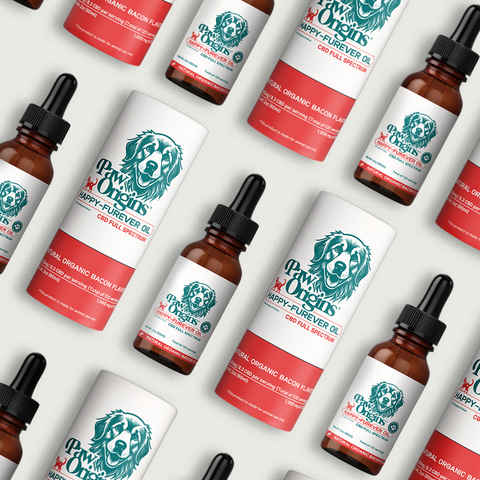
CBD oil supports dogs' well-being by interacting with their endocannabinoid system, which helps regulate mood, pain, inflammation, and immune responses. It is especially beneficial for senior dogs or those with arthritis, easing discomfort and improving mobility. Full-Spectrum (1,000mg) Happy-Furever® CBD Oil is formulated to reduce inflammation and support joint health, making it ideal for aging pets or dogs recovering from injuries.
Is CBD safe for dogs long term?
Yes, CBD is safe for long-term use in dogs when sourced from a high-quality, properly dosed product. Unlike some medications, it supports pain, anxiety, and inflammation relief without causing dependency or organ damage. Full-Spectrum (1,000mg) Happy-Furever® CBD Oil is third-party tested, organic, and non-GMO, making it a safe, non-psychoactive option for daily wellness support.
How to Give a Dog CBD Oil?
The most efficient way to administer CBD oil is directly into the mouth, under the tongue, or along the gum line for fast absorption. Mixing it into food or placing it on a soft treat is also effective, though absorption may take longer. Most dogs benefit from CBD once or twice daily, depending on their needs. Consistency is key, as CBD builds up in the system over time, leading to more noticeable long-term benefits.
Can CBD Calm Anxious Dogs?
CBD works by interacting with a dog’s endocannabinoid system (ECS), a network of receptors responsible for regulating mood, stress response, and overall well-being. By promoting balance in the nervous system, CBD helps reduce cortisol (the stress hormone), while increasing serotonin levels, fostering relaxation without drowsiness. Unlike sedatives, CBD allows dogs to remain alert and engaged while feeling calmer and more secure.
Should I Give My Elderly Dog CBD?
As dogs age, they often experience joint pain, inflammation, cognitive decline, and decreased mobility. Senior dogs may struggle with everyday activities like climbing stairs, jumping on the couch, or going for walks. CBD Oil provides a natural solution to help aging dogs maintain their quality of life by supporting joint function, reducing discomfort, and promoting relaxation.