How can i tell if my dog has allergies or yeast infection?
Table of Contents
How Can I Tell If My Dog Has Allergies Or Yeast Infection?
What Are the Most Common Allergy Symptoms in Dogs?
What Can You Do If Your Dog Doesn’t Respond to Allergy Medications?
How Does PawOrigins Help With Long-Term Allergy Relief?
How Can I Tell If My Dog Has Allergies Or Yeast Infection?
Identifying whether your dog is experiencing allergies or a yeast infection can be challenging since both conditions share similar symptoms. Allergies in dogs often manifest as itching, redness, and skin irritation, commonly caused by environmental factors or food sensitivities. On the other hand, yeast infections typically present as skin irritation, greasy or smelly skin, and ear infections, caused by an overgrowth of yeast on the skin. Consulting with a veterinarian for proper diagnosis and treatment is crucial to address your dog's specific condition effectively.
What Are the Most Common Allergy Symptoms in Dogs?
Dog allergy symptoms often present subtly at first but gradually become more disruptive if left unaddressed. Common signs include frequent scratching, licking paws, head shaking, ear odor, watery eyes, and digestive disturbances like vomiting or loose stools. Skin issues such as rashes, hot spots, and hair loss can also occur, especially in dogs with prolonged allergic responses. These symptoms tend to worsen during certain seasons or after exposure to specific foods or environments. Some dogs may also develop behavioral changes like irritability or restlessness due to chronic discomfort. Early recognition of these patterns is key to preventing the allergic response from becoming a long-term health challenge that impacts your dog’s quality of life.
What Can You Do If Your Dog Doesn’t Respond to Allergy Medications?
If allergy medications stop working or never fully relieve your dog’s symptoms, it may be time to support the immune system in a more foundational way. Instead of masking symptoms, start by addressing gut health, which is closely linked to immune overactivity. Switching to a clean, minimal-ingredient diet, adding probiotic support, and using natural supplements can help regulate immune response long-term. Rebuilding a more resilient gut-immune barrier can reduce overreaction to common allergens, improving how your dog tolerates their environment. Some dogs also benefit from a rotation diet or environmental detox protocol to reduce overall inflammation. When traditional meds fail, this kind of inside-out support often creates breakthroughs that standard treatment alone can’t achieve.
How Does PawOrigins Help With Long-Term Allergy Relief?
PawOrigins Clear-Allergies™ Chews offer lasting support by working on all three key stages of the allergic response: gut permeability, immune overactivation, and histamine release. Unlike temporary treatments, these chews build resilience by helping your dog’s body stop overreacting in the first place. Many pet parents report visible results within weeks, including calmer skin, fewer flare-ups, and improved digestion. They’re ideal for dogs that react to food, grass, dust, or seasonal changes and can be used year-round to keep symptoms in check. With no fillers or artificial ingredients, they provide a clean and comprehensive approach to allergy care that fits into any routine.


Frequently Asked Questions
Can CBD Improve Dog Skin Health?
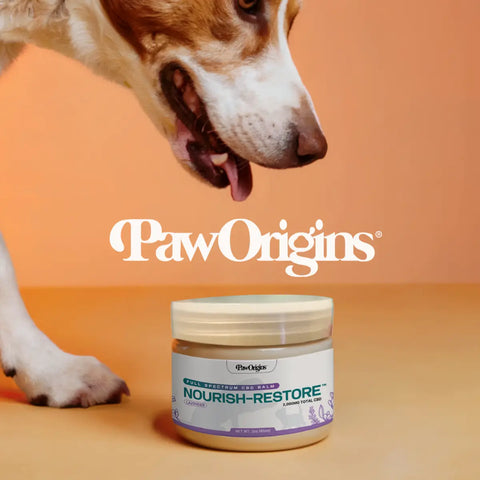
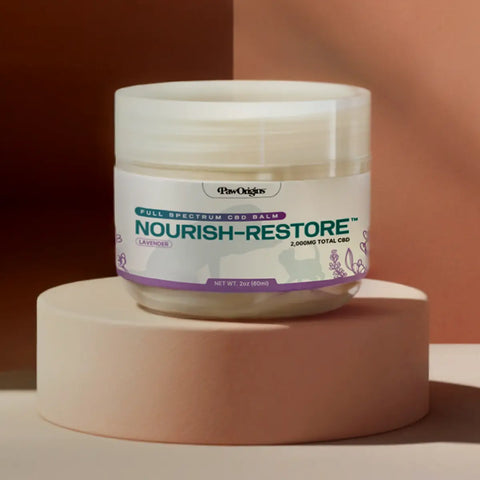
CBD supports dog skin health by reducing inflammation, calming itching, and promoting hydration. It interacts with the endocannabinoid system to regulate skin moisture and immune responses. Nourish-Restore Full-Spectrum CBD Balm (2,000mg) provides targeted relief for dry, irritated skin while protecting the skin barrier with all-natural ingredients. Applying CBD oil or balm helps soothe discomfort, restore balance, and maintain a healthy coat.
What’s the Best CBD for Itchy Dog Skin?
The best CBD for itchy dog skin is our Nourish-Restore Full-Spectrum CBD Balm that hydrates, soothes irritation, and reduces inflammation. Look for third-party lab-tested products with natural ingredients to ensure safety and effectiveness. A high-potency CBD balm provides targeted relief by calming allergies, dryness, and redness while strengthening the skin barrier. Pairing a topical balm with CBD supplements for dog skin health can enhance long-term results.
How to Reduce Redness on Dog Skin with CBD?
CBD helps reduce redness on dog skin by interacting with skin receptors to calm inflammation and irritation. A full-spectrum CBD balm delivers hydration, strengthens the skin barrier, and promotes natural healing. Unlike steroid creams, CBD works at a deeper level to restore balance and prevent flare-ups. For best results, apply a high-quality CBD balm consistently to soothe and protect sensitive skin.
Can CBD Help Dogs with Sensitive Skin?
Dogs with sensitive skin benefit from CBD’s anti-inflammatory and skin-regulating properties. CBD balms provide deep hydration and protection against allergens and environmental irritants. Using a chemical-free, natural CBD formula reduces the risk of reactions while strengthening the skin barrier. For optimal results, pair topical CBD with skin-supporting supplements to enhance overall resilience.
How to Use CBD for Maintaining Dog Skin Health
Maintaining healthy dog skin with CBD involves a consistent routine of topical and internal support. A high-quality CBD balm nourishes dry, irritated skin while reducing inflammation and strengthening the skin barrier. Combining topical CBD with supplements for skin health enhances hydration and prevents recurring issues. Regular use keeps your dog’s skin smooth, comfortable, and protected from environmental triggers.