


How to feed a dog with a sensitive stomach?
Table of Contents
**Managing a Dog with a Sensitive Stomach**
What Are Common Causes of Decreased Appetite in Dogs?
How Can You Help a Dog Regain Their Appetite?
Why Pet Owners Use PawOrigins CBD for Appetite Loss in Dogs
**Managing a Dog with a Sensitive Stomach**

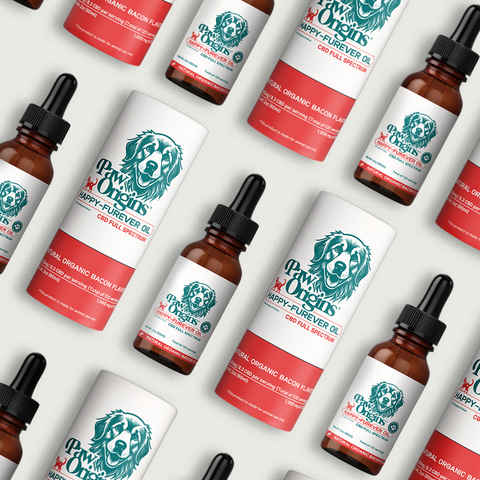
Dogs with sensitive stomachs require special care when it comes to their diet. To feed a dog with a sensitive stomach, it's essential to choose easily digestible, high-quality foods that are gentle on their digestive system. Opt for limited ingredient diets, avoiding common allergens like grains and artificial additives. Introduce new foods gradually to monitor any adverse reactions, and consider probiotics or digestive enzymes to aid digestion. Consulting with a veterinarian can provide tailored recommendations for your pet's specific needs.
What Are Common Causes of Decreased Appetite in Dogs?
There are many reasons a dog might experience reduced appetite, ranging from minor changes in routine to more serious underlying conditions. Digestive issues like nausea or bloating can make eating uncomfortable, while emotional stress, travel, or a disrupted schedule may lead to temporary disinterest in food. Dental problems like loose teeth or gum inflammation can make chewing painful, causing your dog to avoid meals altogether. In senior dogs, appetite naturally fluctuates due to slower metabolism or age-related changes in taste and smell. Even high summer temperatures or overstimulation during feeding time can result in skipped meals. Identifying patterns around when, how, and what your dog is (or isn’t) eating can offer valuable clues to guide your next steps. By tracking trends early, pet owners are better equipped to choose supportive adjustments or seek veterinary care when appropriate.
How Can You Help a Dog Regain Their Appetite?
Once appetite loss is identified, the goal is to restore calm, trust, and interest in food through a mix of physical and emotional support. Creating a consistent mealtime routine, reducing environmental stress, and offering palatable, nutrient-rich meals can help re-engage your dog’s desire to eat. Light exercise and natural sunlight during the day also play a role in resetting the body’s appetite rhythms. For dogs recovering from illness or anxiety, calming supplements or appetite-boosting aids may provide the extra support needed to overcome hesitation. Keeping meals low in stress and high in flavor, with gentle encouragement and patience, makes a big difference. Building positive associations around food gradually improves mealtime comfort and increases the chances of long-term appetite recovery.
Why Pet Owners Use PawOrigins CBD for Appetite Loss in Dogs
For dogs struggling with decreased appetite due to stress, pain, or recovery, PawOrigins CBD offers a safe, plant-based solution that addresses root causes without forcing food. Our premium CBD chews and oil formulas help calm the nervous system, improve gut function, and naturally encourage food interest. Rather than masking symptoms, they support holistic wellness so your dog feels well enough to eat on their own terms. Whether you’re managing post-surgical recovery, medication side effects, or seasonal appetite dips, PawOrigins helps bring appetite back without synthetic stimulants or harsh ingredients. Owners report a noticeable difference in behavior, energy, and willingness to eat after making it part of their care routine. With every dose, you support your dog’s comfort, vitality, and long-term nutritional balance.

Frequently Asked Questions
How does CBD help dogs?
CBD oil supports dogs' well-being by interacting with their endocannabinoid system, which helps regulate mood, pain, inflammation, and immune responses. It is especially beneficial for senior dogs or those with arthritis, easing discomfort and improving mobility. Full-Spectrum (1,000mg) Happy-Furever® CBD Oil is formulated to reduce inflammation and support joint health, making it ideal for aging pets or dogs recovering from injuries.
Is CBD safe for dogs long term?
Yes, CBD is safe for long-term use in dogs when sourced from a high-quality, properly dosed product. Unlike some medications, it supports pain, anxiety, and inflammation relief without causing dependency or organ damage. Full-Spectrum (1,000mg) Happy-Furever® CBD Oil is third-party tested, organic, and non-GMO, making it a safe, non-psychoactive option for daily wellness support.
How to Give a Dog CBD Oil?
The most efficient way to administer CBD oil is directly into the mouth, under the tongue, or along the gum line for fast absorption. Mixing it into food or placing it on a soft treat is also effective, though absorption may take longer. Most dogs benefit from CBD once or twice daily, depending on their needs. Consistency is key, as CBD builds up in the system over time, leading to more noticeable long-term benefits.
Can CBD Calm Anxious Dogs?
CBD works by interacting with a dog’s endocannabinoid system (ECS), a network of receptors responsible for regulating mood, stress response, and overall well-being. By promoting balance in the nervous system, CBD helps reduce cortisol (the stress hormone), while increasing serotonin levels, fostering relaxation without drowsiness. Unlike sedatives, CBD allows dogs to remain alert and engaged while feeling calmer and more secure.
Should I Give My Elderly Dog CBD?
As dogs age, they often experience joint pain, inflammation, cognitive decline, and decreased mobility. Senior dogs may struggle with everyday activities like climbing stairs, jumping on the couch, or going for walks. CBD Oil provides a natural solution to help aging dogs maintain their quality of life by supporting joint function, reducing discomfort, and promoting relaxation.