


Dog appetite recovery tips
Table of Contents
Dog Appetite Recovery Tips
Stress, Anxiety, and Emotional Triggers Behind Low Dog Appetite
Helping Dogs Recover After Appetite Loss
PawOrigins® CBD Chews to Support Appetite in Dogs
Dog Appetite Recovery Tips

Reviving a dog's appetite can be a challenging task, but with the right approach, you can help your furry friend regain their interest in food. Start by offering a variety of tasty and nutritious meals, including high-quality proteins and easily digestible options. Ensure a calm feeding environment free from distractions, and establish a consistent feeding schedule. Adding warm water or low-sodium broth to kibble can enhance palatability. Regular exercise and mental stimulation can also stimulate appetite. Consulting with a veterinarian is crucial to rule out any underlying health issues impacting your dog's appetite.
Stress, Anxiety, and Emotional Triggers Behind Low Dog Appetite
Dogs don’t always stop eating because they’re sick, often they’re emotionally or physically overwhelmed. Stress-related appetite loss is common in dogs that are reactive, anxious, or experiencing a major life change such as moving homes, travel, or being separated from their family. Even smaller disruptions like loud noises, unfamiliar visitors, or new pets in the home can lead to decreased appetite, especially in dogs that are already sensitive. These emotional stressors raise cortisol levels, which suppress hunger and can throw off digestion. Without intervention, the cycle of stress and food avoidance can lead to weight loss, nutrient deficiencies, and behavioral changes. Understanding the emotional root behind your dog’s poor appetite is the first step to restoring their relationship with food.
Helping Dogs Recover After Appetite Loss
Once a dog’s appetite begins to decline, it’s important to support recovery in a way that feels safe, consistent, and nourishing. Creating a calm mealtime environment with reduced noise, predictable feeding times, and favorite feeding spots can re-establish a sense of comfort around food. Natural appetite support options, like calming chews or gentle CBD supplements, can help lower internal stress and boost interest in eating by promoting emotional balance. These tools work best when combined with appealing, nutrient-dense foods that are easy to digest and rich in flavor. With the right approach, many dogs begin to associate mealtimes with safety again, making recovery from appetite loss smoother and more sustainable for both pet and parent.
PawOrigins® CBD Chews to Support Appetite in Dogs
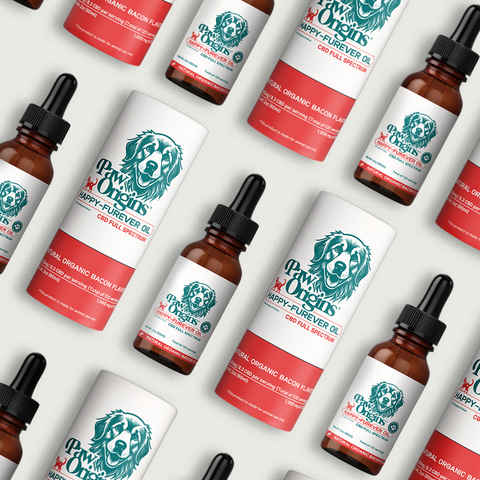
Dogs who struggle with appetite loss often face more than just physical issues, it’s emotional tension, anxiety, or environmental stress disrupting their interest in food. That’s why we created Happy Furever™ CBD Chews, formulated to support dogs who seem withdrawn, picky, or resistant at mealtimes. These naturally flavored chews deliver gentle, plant-based calm that helps dogs feel safe enough to eat, while also supporting digestion and emotional regulation. For dogs who associate feeding with overstimulation or discomfort, this daily support can create a meaningful shift. Each batch is third-party tested for purity and backed by a Certificate of Analysis to ensure you’re giving your dog a safe, trusted solution designed to ease both appetite and anxiety. With consistent use, many pet parents notice improved meal consistency, better energy levels, and a more relaxed approach to food.

Frequently Asked Questions
How does CBD help dogs?
CBD oil supports dogs' well-being by interacting with their endocannabinoid system, which helps regulate mood, pain, inflammation, and immune responses. It is especially beneficial for senior dogs or those with arthritis, easing discomfort and improving mobility. Full-Spectrum (1,000mg) Happy-Furever® CBD Oil is formulated to reduce inflammation and support joint health, making it ideal for aging pets or dogs recovering from injuries.
Is CBD safe for dogs long term?
Yes, CBD is safe for long-term use in dogs when sourced from a high-quality, properly dosed product. Unlike some medications, it supports pain, anxiety, and inflammation relief without causing dependency or organ damage. Full-Spectrum (1,000mg) Happy-Furever® CBD Oil is third-party tested, organic, and non-GMO, making it a safe, non-psychoactive option for daily wellness support.
How to Give a Dog CBD Oil?
The most efficient way to administer CBD oil is directly into the mouth, under the tongue, or along the gum line for fast absorption. Mixing it into food or placing it on a soft treat is also effective, though absorption may take longer. Most dogs benefit from CBD once or twice daily, depending on their needs. Consistency is key, as CBD builds up in the system over time, leading to more noticeable long-term benefits.
Can CBD Calm Anxious Dogs?
CBD works by interacting with a dog’s endocannabinoid system (ECS), a network of receptors responsible for regulating mood, stress response, and overall well-being. By promoting balance in the nervous system, CBD helps reduce cortisol (the stress hormone), while increasing serotonin levels, fostering relaxation without drowsiness. Unlike sedatives, CBD allows dogs to remain alert and engaged while feeling calmer and more secure.
Should I Give My Elderly Dog CBD?
As dogs age, they often experience joint pain, inflammation, cognitive decline, and decreased mobility. Senior dogs may struggle with everyday activities like climbing stairs, jumping on the couch, or going for walks. CBD Oil provides a natural solution to help aging dogs maintain their quality of life by supporting joint function, reducing discomfort, and promoting relaxation.