


Can spaying affect a dog’s appetite?
Table of Contents
How Does Spaying Affect a Dog's Appetite?
How Environment and Routine Disruptions Affect a Dog’s Appetite
How Can You Help a Dog Regain Their Appetite?
How PawOrigins CBD Oil and Chews Help Stimulate Dog Appetite
How Does Spaying Affect a Dog's Appetite?

Spaying, a common procedure for female dogs, involves removing the reproductive organs, which can impact various aspects of their health. While spaying itself may not directly affect a dog's appetite, some dogs may experience changes in their metabolism post-surgery. The hormonal changes that occur after spaying can sometimes lead to a decrease in appetite or weight gain. It's essential to monitor your dog's eating habits after spaying and consult with a veterinarian if you notice significant changes in appetite or weight. Ensuring proper nutrition and exercise can help maintain your dog's overall health and well-being post-spaying.
How Environment and Routine Disruptions Affect a Dog’s Appetite
Changes in your dog’s daily environment or feeding routine can have a surprisingly strong effect on their willingness to eat. Dogs thrive on consistency, and even small disruptions, like moving homes, shifting feeding times, introducing new pets, or loud unfamiliar noises, can lead to mealtime anxiety or withdrawal. These changes can trigger stress responses that suppress appetite, especially in sensitive or older dogs. Some dogs may even avoid eating when left alone for longer periods or during major schedule changes like vacation departures or new work hours. Returning to a predictable rhythm and minimizing unnecessary stimulation during meals can help dogs rebuild comfort and trust around food. This behavioral aspect is often overlooked, but it plays a critical role in supporting a healthy dog appetite.
How Can You Help a Dog Regain Their Appetite?
Once appetite loss is identified, the goal is to restore calm, trust, and interest in food through a mix of physical and emotional support. Creating a consistent mealtime routine, reducing environmental stress, and offering palatable, nutrient-rich meals can help re-engage your dog’s desire to eat. Light exercise and natural sunlight during the day also play a role in resetting the body’s appetite rhythms. For dogs recovering from illness or anxiety, calming supplements or appetite-boosting aids may provide the extra support needed to overcome hesitation. Keeping meals low in stress and high in flavor, with gentle encouragement and patience, makes a big difference. Building positive associations around food gradually improves mealtime comfort and increases the chances of long-term appetite recovery.
How PawOrigins CBD Oil and Chews Help Stimulate Dog Appetite
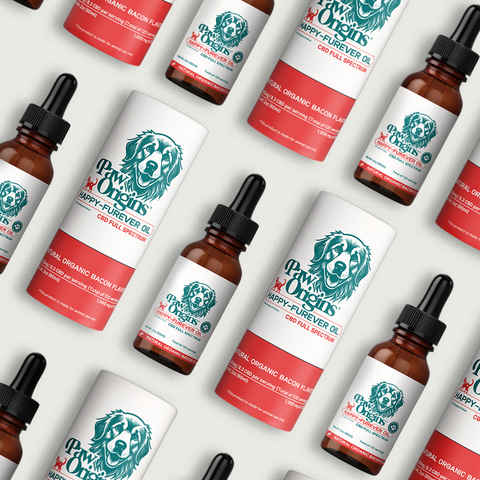
PawOrigins’ CBD Oil and Chews for dogs are crafted to naturally support appetite restoration and digestive comfort. By working with your dog’s endocannabinoid system, our formulas help regulate mood, ease nausea, and reduce the stress that often suppresses eating habits. This gentle rebalancing helps dogs regain interest in food—whether they’re recovering from illness, experiencing age-related changes, or feeling anxious. PawOrigins CBD is especially helpful for picky eaters, dogs with poor appetite during travel or heat cycles, or senior dogs whose hunger signals have faded. Our chews offer a delicious delivery method, while our oil provides flexible dosing for more sensitive cases. With consistent use, dogs experience improved appetite, smoother digestion, and a greater willingness to eat nourishing meals without hesitation.

Frequently Asked Questions
How does CBD help dogs?
CBD oil supports dogs' well-being by interacting with their endocannabinoid system, which helps regulate mood, pain, inflammation, and immune responses. It is especially beneficial for senior dogs or those with arthritis, easing discomfort and improving mobility. Full-Spectrum (1,000mg) Happy-Furever® CBD Oil is formulated to reduce inflammation and support joint health, making it ideal for aging pets or dogs recovering from injuries.
Is CBD safe for dogs long term?
Yes, CBD is safe for long-term use in dogs when sourced from a high-quality, properly dosed product. Unlike some medications, it supports pain, anxiety, and inflammation relief without causing dependency or organ damage. Full-Spectrum (1,000mg) Happy-Furever® CBD Oil is third-party tested, organic, and non-GMO, making it a safe, non-psychoactive option for daily wellness support.
How to Give a Dog CBD Oil?
The most efficient way to administer CBD oil is directly into the mouth, under the tongue, or along the gum line for fast absorption. Mixing it into food or placing it on a soft treat is also effective, though absorption may take longer. Most dogs benefit from CBD once or twice daily, depending on their needs. Consistency is key, as CBD builds up in the system over time, leading to more noticeable long-term benefits.
Can CBD Calm Anxious Dogs?
CBD works by interacting with a dog’s endocannabinoid system (ECS), a network of receptors responsible for regulating mood, stress response, and overall well-being. By promoting balance in the nervous system, CBD helps reduce cortisol (the stress hormone), while increasing serotonin levels, fostering relaxation without drowsiness. Unlike sedatives, CBD allows dogs to remain alert and engaged while feeling calmer and more secure.
Should I Give My Elderly Dog CBD?
As dogs age, they often experience joint pain, inflammation, cognitive decline, and decreased mobility. Senior dogs may struggle with everyday activities like climbing stairs, jumping on the couch, or going for walks. CBD Oil provides a natural solution to help aging dogs maintain their quality of life by supporting joint function, reducing discomfort, and promoting relaxation.