
Why Is My Dog Scared of the Car? Vet Explains
|
|
Time to read 14 min


Loved by 50k+ pet parents


Loved by 50k+ pet parents


Loved by 50k+ pet parents


Loved by 50k+ pet parents
|
|
Time to read 14 min
Some dogs hear the jingle of the car keys and race to the door. Others suddenly become remarkably good at making themselves unavailable.
If your dog hides, shakes, pants, drools, refuses to get into the car, or spends the entire journey looking miserable, they are not simply being difficult. Car travel can trigger a genuine fear and stress response, and there are several possible reasons.
For some dogs, the problem is the movement itself. Motion sickness can make travelling physically unpleasant. Others have learned that getting into the car predicts something they dislike, such as a trip to the veterinary clinic. Some dogs are frightened by the noise, vibration, loss of balance, confinement, or unpredictable movement involved in travelling.
And quite often, several of those factors are tangled together.
Research supports what many veterinarians see in practice. A 2026 study of travel-induced anxiety in dogs describes increases in cortisol and behavioral signs including lip licking, yawning, restlessness, vocalization, and escape attempts during road travel. Previous research has estimated that around one-quarter of dogs respond negatively to car transportation.
The encouraging news is that car fear can often be improved. The first step is working out what your dog thinks is wrong with the car.
Car fear is common and may involve anxiety, motion sickness, negative associations, or a combination of these.
Panting, drooling, lip licking, yawning, trembling, whining, restlessness, and refusing to enter the car can all indicate distress.
Motion sickness can create a powerful learned fear of the car, even before the vehicle starts moving.
Dogs who only travel for unpleasant or stressful events may learn that the car predicts something bad.
Gradual exposure and positive reinforcement are usually more effective than repeatedly forcing a frightened dog into the car.
Very short, easy journeys can help rebuild positive associations.
Dogs with severe travel anxiety or nausea should be assessed by a veterinarian because medication may sometimes make training considerably easier.
Table of Contents
From a dog's point of view, travelling by car is a fairly peculiar experience.
The floor moves beneath their feet. Their balance changes whenever the vehicle accelerates, brakes, or turns. There are unusual noises and vibrations. Scenery rushes past the windows. They may be confined by a harness or crate, and they have no control over where they are going.
We know what is happening. Your dog does not necessarily understand any of it.
One study examining physiological and behavioral responses during a short car journey found significant changes in stress-related measures including cortisol, heart rate, heart-rate variability, whining, and anxiety-related behavior. Interestingly, the car journey produced a more pronounced stress response than separation in the dogs studied (Hunt et al., 2023).
That doesn't mean every dog finds cars frightening. Plenty adore them. It does demonstrate, however, that vehicle travel can be a meaningful physiological stressor rather than simply an inconvenient behavioral quirk.
Absolutely, and this is one of the most important possibilities to consider.
Motion sickness happens because movement stimulates the balance system within the inner ear, which communicates with areas of the brain involved in nausea and vomiting.
According to the Merck Veterinary Manual, signs can include nausea, excessive drooling, vomiting, yawning, whining, apprehension, and occasionally diarrhea.
The confusing part is that many of these signs look exactly like anxiety.
A nauseous dog might pant, lick their lips, swallow repeatedly, drool, pace, whine, or refuse to get into the car. An anxious dog can do many of the same things.
And then the two problems can merge.
Imagine feeling sick every time you travelled on a particular bus. After enough journeys, you might begin to feel uneasy simply standing at the bus stop. Dogs can develop a similar association.
A puppy who repeatedly becomes nauseated during car journeys may eventually become frightened when approaching the vehicle. At that point, the anxiety can begin before the engine has even started.
Motion sickness is particularly common in younger dogs, although adults can certainly experience it too.
The structures involved in balance continue developing as puppies mature, which is one reason some youngsters become less susceptible to motion sickness with age.
Unfortunately, the emotional association may persist.
A puppy might eventually stop becoming physically sick in the car while continuing to remember that cars predict feeling awful. Owners are sometimes puzzled when an adult dog remains terrified of travelling despite not having vomited for years.
This is why addressing puppy travel sickness early can be valuable. Preventing repeated unpleasant journeys may reduce the chance of a long-term fear developing around the car itself.
Dogs are exceptionally good at spotting patterns.
Sometimes inconveniently good.
If every car journey ends at the veterinary clinic, groomer, boarding facility, or another location your dog finds stressful, getting into the car becomes the opening scene of a very predictable story.
Research supports this association. In a survey involving more than 900 dog owners, dogs who had become accustomed to travelling as puppies were significantly less likely to develop travel-related problems. Dogs transported only to veterinary clinics were considerably more likely to respond negatively to car travel (Mariti et al., 2012).
That does not mean veterinary visits themselves inevitably create car anxiety. Rather, variety matters.
A dog whose car journeys lead to woodland walks, family outings, training sessions, visits to friends, and occasional veterinary appointments is likely to have a very different expectation from a dog whose journeys consistently predict examination tables and thermometers.
Obvious car fear can involve trembling, barking, trying to escape, or refusing to approach the vehicle.
More subtle stress signals are easy to miss.
You might notice repeated lip licking, yawning, excessive panting when the temperature is comfortable, whining, pacing, drooling, excessive swallowing, flattened ears, a tucked tail, wide eyes, or difficulty settling.
Some frightened dogs become almost completely still.
This is important because quiet does not necessarily mean comfortable. A dog sitting rigidly in one place for the entire journey may be just as worried as the dog climbing around the back seat.
Look at the whole dog rather than judging anxiety from one behavior alone.
A sudden change deserves some investigation.
If a dog who previously travelled happily becomes reluctant to get into the car, I would first consider whether something has changed physically or environmentally.
Pain is an important possibility. Arthritis, back pain, hip problems, or another musculoskeletal condition can make jumping into a vehicle uncomfortable. Standing and balancing while a car moves may also become more difficult.
Older dogs may struggle particularly with slippery surfaces or high vehicles.
Hearing or vision changes can alter how dogs perceive movement and their surroundings. Some senior dogs also become more anxious generally as cognitive function changes.
Then there are memorable incidents.
A sudden stop, minor collision, frightening noise, episode of vomiting, or particularly stressful destination can sometimes be enough for a dog to develop a new association.
When car fear appears abruptly, especially in a middle-aged or older dog, I would recommend a veterinary examination rather than assuming it is purely behavioral.
Repeatedly forcing a frightened dog into a car rarely teaches them that travelling is safe.
It often teaches the opposite.
If every encounter involves being dragged toward the vehicle while panicking, the emotional reaction can become stronger through repetition.
There will obviously be occasions when transport is unavoidable. Veterinary emergencies do not patiently wait while we complete a six-week behavior program.
For routine training, however, we want exposure to remain below the point where the dog becomes severely distressed.
Behaviorists often call this working "under threshold." In simple terms, the dog needs to be calm enough to notice what is happening and learn from the experience.
A terrified dog is concentrating on survival, not discovering that the back seat is actually quite pleasant.
Start much earlier than the journey itself.
If your dog becomes frightened when you walk toward the vehicle, driving around the block repeatedly is already too advanced.
You might begin by simply walking past the parked car and giving your dog a treat. Once that is comfortable, approach the vehicle. Later, open a door. Then perhaps let your dog investigate or climb in without going anywhere.
The progression might look something like this:
Approach the parked car and reward calm behavior.
Sit inside briefly with the engine switched off.
Start the engine without moving.
Reverse a short distance or drive to the end of the street.
Take a very short journey somewhere enjoyable.
Do not automatically progress every day. Some dogs move quickly through these stages while others need considerably longer.
You can also feed occasional meals near or inside a stationary car, offer a favorite chew there, or spend a few quiet minutes sitting together in the vehicle.
The objective is not simply getting your dog into the car. It is changing what the car predicts.
One mistake I often see is an owner successfully getting an anxious dog into the car and thinking, "Great, let's go somewhere!"
Then they drive for 45 minutes.
For a dog learning that car travel is safe, five successful minutes are often far more useful than one difficult hour.
Your first moving journey might literally involve travelling around the block and returning home.
From the dog's perspective, that is valuable information: I got into the strange moving box, nothing terrible happened, and then I came home.
Repeated experiences like this gradually rewrite expectations.
Behavior training works considerably better when the environment itself isn't making the dog uncomfortable.
Secure your dog appropriately using a well-fitted vehicle harness, carrier, or safely installed crate. Apart from being safer in an accident, this can help prevent slipping and scrambling during corners and braking.
Provide a stable, non-slip surface underneath them.
Keep the vehicle comfortably cool and well ventilated. Dogs experiencing nausea often seem worse in warm, stuffy cars.
Driving style matters too. Hard acceleration, sharp braking, and enthusiastic cornering can transform a mildly uncomfortable journey into a canine roller coaster.
Smooth driving will not cure established anxiety, but it removes one unnecessary source of discomfort.
Do not immediately focus on getting all four paws inside.
Work backwards.
Can your dog comfortably stand five meters from the vehicle? Three meters? Beside the open door?
Find the point where your dog notices the car without trying desperately to leave, then reinforce calm exploration from there.
For larger or older dogs, also make sure entry is physically easy. A ramp or sturdy step can dramatically change the experience for a dog with arthritis or reduced mobility.
Sometimes what appears to be "car fear" is actually "jumping into this enormous slippery trunk hurts my hips."
This depends partly on whether motion sickness is involved.
A large meal immediately before travelling may worsen nausea in susceptible dogs, so your veterinarian may recommend adjusting meal timing before longer journeys.
Water should remain available as appropriate, particularly around longer trips.
If you are using treats during behavior training, keep them small. You want plenty of opportunities to reward the dog without accidentally providing the canine equivalent of a three-course meal before a winding road trip.
If your dog regularly vomits or becomes severely nauseous, speak to your veterinarian rather than trying endless feeding strategies at home.
Yes.
For dogs with substantial anxiety, medication is sometimes one of the kindest components of treatment.
This is particularly true when unavoidable travel repeatedly pushes the dog into severe distress. Training becomes difficult if every necessary journey reinforces the fear.
Your veterinarian may consider medication targeting nausea, anxiety, or both depending on your dog's signs.
A 2026 blinded placebo-controlled study involving 36 dogs found that trazodone given before travel significantly reduced several indicators of stress, including cortisol response, lip licking, yawning, restlessness, urination, and an overall anxiety score (Landsberg et al., 2026).
Interestingly, gabapentin did not produce the same measurable benefits under the conditions of that particular study. That doesn't mean one medication is universally appropriate and another is not. Medication decisions depend on the individual dog, their health, the circumstances, and how they respond.
Anti-nausea medication may also be important when motion sickness is contributing to the problem.
Medication should complement sensible behavior modification rather than simply sedating a terrified dog and hoping for the best.
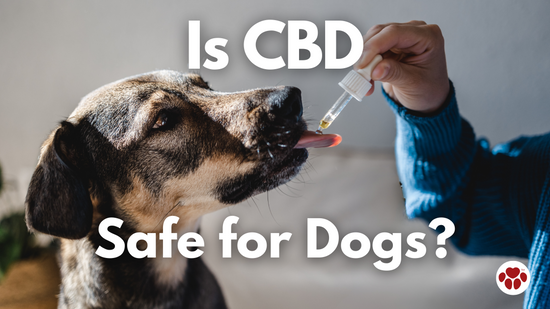
There is some emerging research, but the evidence remains less established than it is for conventional veterinary anxiety medications.
A 2023 controlled study found that a single dose of THC-free cannabidiol affected some physiological and behavioral measures of acute stress in dogs exposed to separation or car travel. However, the results varied depending on the measurement used, and the researchers themselves concluded that further investigation was needed.
So while the findings are interesting, I would not interpret them as proof that CBD reliably treats travel anxiety in every dog.
Quality and composition of products also vary considerably, so supplements should ideally be discussed with your veterinarian, particularly if your dog takes other medication.
Many can.
Complete enthusiasm is not always a realistic goal, though, and it doesn't need to be.
For a severely frightened dog, success might initially mean approaching the car without trembling. Later it might mean settling comfortably during a ten-minute journey.
Eventually, some dogs genuinely become enthusiastic passengers.
I have seen dogs progress from planting all four feet firmly on the ground when a car door opens to happily climbing aboard because they have learned that journeys lead to walks, interesting places, and other enjoyable experiences.
The important ingredient is usually not one dramatic training session. It is lots of small journeys that don't go wrong.
Make an appointment if your dog regularly vomits, drools excessively, appears nauseous, suddenly develops travel anxiety, seems painful getting into or out of the car, or experiences severe panic despite gradual training.
Your veterinarian can help determine whether the underlying problem is primarily motion sickness, pain, anxiety, or a combination.
For severe behavioral problems, referral to a veterinary behaviorist or appropriately qualified clinical animal behaviorist can also be extremely valuable.
Shaking can be a sign of fear, stress, nausea, or physical discomfort. Look for other clues such as panting, lip licking, drooling, vomiting, whining, or attempts to escape. If shaking happens consistently during travel, discuss it with your veterinarian.
Panting is a common stress response in dogs and frequently occurs during travel anxiety. However, nausea, pain, heat, and some medical conditions can also cause panting, so persistent or intense panting should not automatically be assumed to be behavioral.
Heavy drooling is particularly suggestive of nausea and motion sickness, although anxiety can also increase salivation. Excessive swallowing, lip licking, retching, or vomiting make motion sickness more likely.
Some puppies do become less susceptible to motion sickness as their balance systems mature. However, repeated nausea can create a learned fear of travelling that persists even after the physical motion sickness improves. Early management is therefore worthwhile.
Your dog may dislike the movement, vibration, noise, confinement, or nausea associated with travelling rather than the destination itself. Dogs experiencing motion sickness often appear much better very soon after the vehicle stops.
A sudden change can occur after a frightening journey, episode of nausea, or stressful destination. Pain is another important possibility, particularly in older dogs who may find jumping into the vehicle difficult. Sudden behavioral changes warrant a veterinary check.
More journeys only help if the experiences are manageable. Repeatedly exposing a terrified or nauseous dog to long journeys may make the problem worse. Start with stationary-car exercises and very short trips, increasing difficulty gradually.
Potentially, yes, but medication should be discussed with your veterinarian. Depending on the problem, your dog may benefit from anti-anxiety medication, anti-nausea medication, or both. Never give human sedatives or travel-sickness treatments without veterinary advice.
If your dog is scared of the car, start by asking why rather than simply trying to make them travel more often.
Some dogs are frightened because they feel nauseous. Others have learned that cars predict stressful destinations. Some dislike the movement, vibration, noise, confinement, or lack of control. And many dogs have several of these factors operating at once.
The best approach is usually a combination of making the car physically comfortable, treating motion sickness or pain where necessary, and rebuilding the dog's association with travel through gradual, positive experiences.
You don't need your dog to become the sort of passenger who hangs their head happily out of the window at the first sight of the keys.
Calm, comfortable, and willing to travel is a perfectly good destination.
Dr. Kathryn Dench
With nearly two decades of experience, Cambridge veterinarian Dr. Kathryn Dench is dedicated to enhancing animal health through holistic practices. A member of the Royal College of Veterinary Surgeons, she focuses on preventive care over traditional methods, particularly for long-term wellness solutions in pets suffering from anxiety and chronic conditions. As Chief Scientific Advisor at Paw Origins, she champions holistic strategies and education to revolutionize pet care practices.