
Dog Anxiety Explained: Signs, Causes, Treatment and How to Help
|
|
Time to read 14 min


Loved by 50k+ pet parents


Loved by 50k+ pet parents


Loved by 50k+ pet parents


Loved by 50k+ pet parents
|
|
Time to read 14 min
Dog anxiety is more than a dog being a little nervous. An anxious dog may pant, pace, tremble, hide, bark, destroy things, become unusually clingy, refuse food, or react aggressively because they feel unable to cope with a situation.
Some anxiety is short-lived and linked to an obvious trigger, such as fireworks or a veterinary visit. Other dogs live with persistent anxiety that affects their sleep, behavior, relationships, and ability to enjoy everyday life.
As a veterinarian, one of the most important things I want owners to understand is that anxious behavior is not a dog being stubborn, dramatic, or deliberately difficult. It is communication. Once we identify what the dog is struggling with, there is usually plenty we can do to make life easier.
Canine anxiety is also remarkably common. In a large study involving more than 13,700 dogs, 72.5% showed at least one highly problematic behavior, with noise sensitivity affecting 32% and fearfulness 29%. The researchers also found considerable overlap between anxiety-related behaviors, showing why anxious dogs do not always fit neatly into one diagnostic box. Read the study in Scientific Reports.
Dog anxiety can cause behavioral signs such as panting, pacing, trembling, barking, hiding, destruction, clinginess, escape attempts, or aggression.
Common forms include separation anxiety, noise anxiety, social fear, travel anxiety, and more generalized anxiety.
Genetics, early experiences, inadequate socialization, frightening events, pain, illness, and changes in environment can all contribute.
Sudden anxiety, particularly in an older dog, should always prompt a veterinary check rather than being assumed to be purely behavioral.
Punishment usually makes anxiety worse because it adds another unpleasant experience to an already stressful situation.
Treatment often combines management, gradual behavior modification, predictable routines, and sometimes medication or other veterinary-approved support.
Severe anxiety is treatable, but progress is usually gradual. The goal is to change the dog's emotional response, not simply suppress the visible behavior.
Table of Contents
Fear and anxiety are closely related, but they are not exactly the same.
Fear is typically a response to something the dog perceives as an immediate threat. A dog hears thunder, becomes frightened, and hides behind the sofa.
Anxiety is more anticipatory. The dog expects that something unpleasant might happen, sometimes well before it actually does. A noise-sensitive dog may begin trembling when dark clouds gather because previous storms have taught them what may be coming.
Stress is the body's broader physiological response to a challenge. During stressful situations, systems including the sympathetic nervous system and hypothalamic-pituitary-adrenal, or HPA, axis become activated, resulting in changes such as increased heart rate and stress hormone release.
A brief stress response is normal and useful. The problem comes when fear or anxiety is intense, occurs frequently, or prevents the dog from functioning normally.
Some anxious dogs advertise their feelings very clearly. Others whisper rather than shout.
The obvious signs include trembling, trying to escape, frantic barking, hiding, or destructive behavior. However, early anxiety often appears through much subtler changes in body language.
Signs to watch for include:
Panting when the dog is not hot or exercising, pacing, yawning, lip licking, drooling, trembling, or repeatedly shaking off
Ears held back, a lowered posture, tucked tail, wide eyes, avoidance, freezing, or hiding
Barking, whining, howling, digging, scratching doors, or destructive behavior
Urinating or defecating indoors despite otherwise reliable house training
Becoming unusually clingy, restless, unable to settle, or constantly following someone
Refusing food or treats in situations where the dog would normally eat
Growling, snapping, lunging, or other defensive behavior when the dog feels trapped or threatened
Recent controlled research into canine travel stress has documented behaviors including lip licking, panting, restlessness, yawning, vocalization, salivation, and escape attempts alongside measurable physiological changes. A 2026 study published in Frontiers in Veterinary Science provides a useful reminder that these seemingly small behaviors can be meaningful indicators of stress.
Aggression deserves particular attention. An anxious dog may growl or snap because increasing the distance between themselves and a frightening person, dog, or situation has become their last available strategy.
Punishing the growl can remove the warning without removing the fear.
Dogs with separation-related problems become distressed when separated from a particular person or when left alone.
Signs commonly appear shortly before or after the owner leaves and can include vocalizing, pacing, panting, destruction near doors or windows, inappropriate toileting, drooling, or frantic escape attempts.
A home camera can be extremely useful because many owners never see the most important part of the behavior. A dog that appears calm when you return may have spent the first 30 minutes after departure pacing and howling.
Fireworks, thunderstorms, construction work, gunshots, alarms, and household noises can trigger fear.
Noise sensitivity was the most common anxiety-related trait in the large Finnish canine behavior study, affecting 32% of dogs at the researchers' threshold for highly problematic behavior. Fireworks were the most common individual noise fear.
Noise fears can worsen over time, particularly if the dog repeatedly experiences frightening sounds without adequate support.
Some dogs are frightened of unfamiliar people, children, other dogs, or particular categories of people.
This does not necessarily mean something terrible has happened to them. Genetics and early development matter too.
Research has found associations between social fearfulness and inadequate puppy socialization, lower levels of activity, and aspects of the dog's living environment. The study is available in Scientific Reports.
For some dogs, the car keys coming out are enough to begin the stress response.
Motion sickness can contribute to travel anxiety, particularly in younger dogs. Others associate the car with frightening destinations, such as veterinary clinics, or find the movement, noise, confinement, and visual stimulation overwhelming.
Some dogs appear worried across numerous situations rather than having one obvious trigger.
They may startle easily, struggle to relax, constantly scan their surroundings, follow their owner everywhere, react strongly to small changes, or have several apparently unrelated fears.
These cases particularly benefit from a thorough veterinary and behavioral assessment because multiple factors may be involved.
There is rarely one single cause.
Behavior has an inherited component, and large population studies have demonstrated differences in fearfulness and anxiety-related behaviors between breeds and individual dogs. That does not mean a dog's destiny is written into their DNA, but some dogs are naturally more sensitive to environmental challenges than others.
Think of genetics as adjusting the sensitivity of the alarm system. Experience determines many of the situations in which that alarm eventually rings.
Puppies learn an enormous amount about what is normal and safe during their early development.
Positive exposure to different people, surfaces, sounds, animals, handling, environments, and everyday experiences can help build resilience. This does not mean throwing a puppy into as many experiences as possible. Overwhelming exposure can have the opposite effect.
Quality matters more than collecting socialization experiences like stamps.
The association between inadequate puppy socialization and later social fear has been demonstrated in large canine populations.
One powerful negative experience can sometimes produce a lasting fear.
A dog frightened by fireworks may subsequently react to distant bangs. A dog that becomes severely carsick may start avoiding the vehicle. A painful veterinary procedure may make future examinations more difficult.
Dogs also learn through repeated lower-level experiences, so anxiety can build gradually rather than following an obvious traumatic event.
Moving house, a family member leaving, changes in working patterns, a new baby, another pet entering or leaving the household, kenneling, or suddenly spending much more time alone can all affect a vulnerable dog.
The change itself is not necessarily harmful. Problems arise when the dog's ability to cope is exceeded.
This is one of the most easily overlooked causes of behavioral change.
Pain can increase irritability, reduce tolerance, disturb sleep, and make dogs more wary of handling, movement, other dogs, or previously ordinary situations.
A review examining pain and behavioral problems in dogs and cats found that painful musculoskeletal, gastrointestinal, and dermatological conditions could all contribute to behavior cases. Read the review indexed by PubMed.
Hormonal disease, neurological conditions, impaired eyesight or hearing, gastrointestinal disease, and cognitive dysfunction can also alter behavior.
If your normally confident dog suddenly becomes anxious, the first appointment should usually be with your veterinarian rather than a trainer.
There is no single blood test for anxiety.
Diagnosis involves building a detailed picture of when the behavior occurs, what happens immediately beforehand, how the dog responds, how long recovery takes, and whether medical factors could be involved.
I often think of videos as an owner's secret weapon here. A two-minute recording of what a dog does when the doorbell rings, during a car journey, or shortly after being left alone can reveal far more than a description such as "he goes crazy."
Your veterinarian may perform a physical examination and recommend tests depending on the dog's age, medical history, and symptoms.
More complicated cases may be referred to a veterinary behaviorist or other appropriately qualified clinical behavior professional.
The best treatment depends on the cause and severity.
For many dogs, successful treatment has several pieces working together.
Management is not failure.
If a dog panics every time strangers approach, repeatedly exposing them to strangers at close range will not magically teach confidence. It may simply provide another opportunity to rehearse fear.
Increasing distance, using visual barriers, choosing quieter walking routes, closing curtains during triggering events, or arranging company for a dog with severe separation anxiety can reduce distress while treatment begins.
Desensitization means introducing the trigger at such a low intensity that the dog notices it but remains comfortable.
Counterconditioning pairs that trigger with something pleasant, usually food or another reward.
For example, a dog frightened of the car might initially receive treats near the stationary vehicle, then inside it with the engine off, then with the engine running, followed eventually by very short journeys.
The difficulty should increase gradually.
If the dog is panting, trembling, refusing treats, trying to escape, or unable to respond normally, the exercise has probably progressed too quickly.
Anxious dogs often benefit from knowing what happens next.
Regular meals, walks, sleep opportunities, enrichment, and reasonably consistent daily routines can reduce unnecessary uncertainty.
Sniffing, chewing, food puzzles, appropriate physical activity, and opportunities for quiet rest can also support emotional wellbeing. The aim is not to exhaust the anxiety out of the dog, but to give the brain healthy jobs and adequate recovery time.
Punishing barking, destruction, growling, or toileting caused by anxiety does not address the underlying emotion.
Imagine being terrified of flying and being shouted at every time you grip the armrest. The shouting might alter what you do with your hands, but it is unlikely to make turbulence feel safer.
Reward-based behavior modification gives us far more useful tools.
Medication can be extremely helpful, particularly when anxiety is severe enough to prevent learning.
Some medications are given every day to reduce the dog's overall level of anxiety. Others are used for predictable stressful events such as fireworks, travel, or veterinary visits.
Depending on the individual dog and where you live, veterinary treatment might involve drugs such as fluoxetine or clomipramine for longer-term behavioral disorders, or situational medications including trazodone, gabapentin, dexmedetomidine, or imepitoin.
For example, placebo-controlled studies have demonstrated benefits from imepitoin for canine noise phobia and dexmedetomidine oromucosal gel for acute noise-associated fear.
More recently, a 2026 placebo-controlled travel study found that trazodone reduced several behavioral signs of anxiety as well as the cortisol response under the conditions tested. Gabapentin did not produce the same measurable effects at the specific dose and timing used in that experiment, which is a useful reminder that medications and protocols cannot simply be treated as interchangeable.
Medication should be prescribed for the individual dog after veterinary assessment. The aim is not to sedate a dog into silence. It is to reduce anxiety sufficiently that the dog can function, recover, and learn.
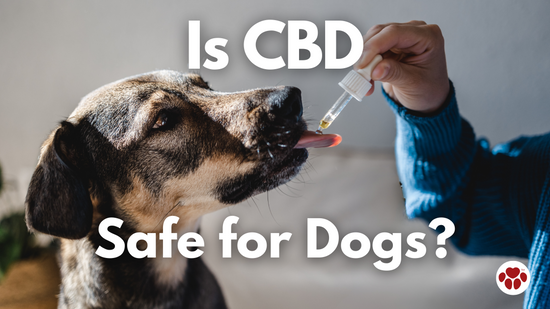
A growing range of calming products is available, including pheromones, nutraceuticals, and cannabidiol, or CBD.
Evidence varies considerably between products.
CBD is an interesting example. A 2023 controlled study found that a single dose of THC-free CBD influenced several physiological and behavioral measurements of acute stress during separation and car travel, including lower cortisol concentrations in some circumstances. However, the researchers emphasized that results cannot automatically be generalized to every CBD product, dose, or dog and that further studies are needed. Read the full study in Frontiers in Veterinary Science.
That is a sensible way to view supplements generally: potentially useful as part of a broader plan, but not replacements for diagnosis, environmental management, behavior modification, or prescription medication when these are needed.
Start by becoming a detective.
Keep a simple record of when anxiety occurs. Note the trigger, time, behavior, intensity, and how long your dog takes to recover. Video can be particularly valuable for separation anxiety and situations where your presence changes the dog's behavior.
Then reduce avoidable triggers while you seek professional guidance.
Give your dog access to a quiet, comfortable place where they are never forced to interact. During storms or fireworks, closing windows and curtains and adding steady background sound may reduce some of the sensory impact.
Let your dog seek proximity if they want reassurance. Calm social support does not somehow teach a terrified dog that thunder really is dangerous.
Most importantly, work at your dog's pace.
Behavior modification that keeps pushing a dog into panic is not faster training. It is simply louder anxiety.
Talk to your veterinarian if anxiety is frequent, worsening, affecting everyday life, or creating a risk to your dog or other people.
Seek help particularly promptly if your dog is injuring themselves while attempting to escape, suddenly becomes aggressive, stops eating, develops anxiety unexpectedly, or shows a major behavioral change in later life.
Older dogs deserve special attention. New nighttime anxiety, pacing, altered sleep, house soiling, clinginess, confusion, or changes in social behavior can sometimes indicate pain, sensory decline, neurological disease, or canine cognitive dysfunction rather than a straightforward training issue.
Anxious dogs may pant, pace, tremble, hide, vocalize, become clingy, refuse food, destroy objects, try to escape, or display defensive aggression. Look at the circumstances as well as the behavior, because several of these signs can also have medical causes.
There is no single most common cause for every dog. Genetics, early experiences, socialization, specific frightening events, pain, environmental changes, and learned associations can all contribute.
Mild situational anxiety may improve, particularly if the trigger disappears, but established fears can persist or worsen with repeated exposure. Early intervention usually gives you more options and reduces the chance that anxiety becomes deeply rehearsed.
Treatment may include veterinary-prescribed medication, behavior modification, environmental changes, pheromones, or selected supplements depending on the individual dog. Do not give human anxiety medications or supplements without veterinary advice because dosing, interactions, and safety can differ considerably between dogs and people.
Yes. If your dog wants calm contact, you can reassure them, sit nearby, or allow them to hide close to you; you do not need to deliberately ignore a frightened dog.
Appropriate exercise, sniffing, play, and enrichment can support emotional health and help some dogs settle more easily. However, simply increasing physical exercise will not cure a significant anxiety disorder and can even add arousal if the activity itself is overstimulating.
Yes, behavioral changes can appear in older dogs, but new anxiety should not automatically be blamed on aging. Pain, declining vision or hearing, internal disease, and canine cognitive dysfunction should all be considered.
It depends on the cause, severity, and treatment being used. Situational medications may work within hours, while daily medications and behavior modification often require weeks or months of consistent treatment.
Anxiety can profoundly affect a dog's quality of life, but it is not a character flaw and it is rarely something an owner can simply command away.
The most useful question is not, "How do I stop this behavior?" but, "Why does my dog feel the need to behave this way?"
Sometimes the answer is straightforward: thunderstorms are terrifying, car journeys cause nausea, or being left alone causes panic. In other dogs, we have to untangle genetics, early experiences, pain, environmental stressors, and learned associations before the picture becomes clear.
Once we understand that picture, treatment becomes much more compassionate and much more effective.
Reduce unnecessary stress. Rule out medical problems. Teach new associations gradually. Give your dog predictable routines and opportunities to decompress. And when anxiety is moderate or severe, involve your veterinarian rather than waiting for the problem to become unbearable.
An anxious dog does not need tougher discipline. They need us to help their world feel safer.
Dr. Kathryn Dench
With nearly two decades of experience, Cambridge veterinarian Dr. Kathryn Dench is dedicated to enhancing animal health through holistic practices. A member of the Royal College of Veterinary Surgeons, she focuses on preventive care over traditional methods, particularly for long-term wellness solutions in pets suffering from anxiety and chronic conditions. As Chief Scientific Advisor at Paw Origins, she champions holistic strategies and education to revolutionize pet care practices.