
Anxiety Medication for Dogs Explained: Vet Explains
|
|
Time to read 15 min


Loved by 50k+ pet parents


Loved by 50k+ pet parents


Loved by 50k+ pet parents


Loved by 50k+ pet parents
|
|
Time to read 15 min
If your dog trembles during thunderstorms, panics when you leave the house, or seems constantly on edge, you've probably wondered whether medication could help. Perhaps you've also worried about what giving your dog anxiety medication actually means. Will it change their personality? Make them sleepy? Will they need it forever?
These are questions I've heard many times from concerned dog owners, and they're entirely reasonable.
The good news is that anxiety medication for dogs can be an effective part of treatment, particularly when fear is severe enough to interfere with everyday life. The aim isn't to sedate your dog or make them indifferent to their surroundings. It's to reduce their anxiety so they can feel safer, enjoy normal activities, and respond more effectively to behavioral training.
Not every anxious dog needs medication, and choosing the right treatment depends on what's causing their distress, how frequently it occurs, and how significantly it affects their quality of life.
Let's look at the medications veterinarians commonly prescribe, how they work, what side effects to watch for, and what you can realistically expect from treatment.
Anxiety medication can improve a dog's quality of life by reducing excessive fear, panic, and stress-related behaviors.
There are two main approaches: daily medication for ongoing anxiety and situational medication for predictable stressful events.
Fluoxetine and clomipramine are established prescription options for canine separation anxiety, usually alongside behavior modification.
Trazodone, gabapentin, and certain other medications may be prescribed for specific stressful situations, depending on the dog's needs.
Some medications work within hours, while others take several weeks to reach their full therapeutic effect.
Side effects and drug interactions matter, so medication should always be selected and monitored by a veterinarian.
Medication works best alongside environmental management and behavior modification, rather than as a replacement for training.
Table of Contents

Occasional fear is normal. A dog might startle when a door slams or hesitate around an unfamiliar object. These reactions don't automatically indicate an anxiety disorder.
The concern arises when fear becomes excessive, persistent, or difficult for the dog to recover from.
For example, a dog with mild thunderstorm anxiety might seek reassurance during particularly loud storms but otherwise behave normally. Another dog might begin trembling as soon as the sky darkens, refuse food, pace continuously, and remain distressed long after the storm has passed.
Both dogs are frightened, but their treatment needs may be very different.
Medication becomes worth considering when anxiety:
Causes significant distress or interferes with sleeping, eating, resting, or normal activities.
Leads to panic, destructive behavior, escape attempts, or self-injury.
Occurs frequently or is triggered by unavoidable everyday situations.
Prevents a dog from engaging with behavioral training because they're too frightened to learn.
Continues despite appropriate environmental adjustments and reward-based behavior modification.
Importantly, medication doesn't have to be a last resort.
Waiting until anxiety becomes overwhelming can make treatment more difficult. For some dogs, introducing medication early allows behavioral therapy to begin before fearful responses become deeply established.
However, a veterinary assessment should always come first.
Pain, neurological conditions, sensory changes, and other medical problems can produce behaviors that resemble anxiety. Treating an underlying health problem may substantially improve a dog's behavior without requiring long-term psychiatric medication.
Anxiety involves several interconnected systems within the brain and body.
When a dog perceives a threat, brain regions involved in detecting danger activate the stress response. Neurotransmitters, which are chemical messengers between nerve cells, influence how strongly these signals are transmitted and how effectively the brain regulates them.
Different anxiety medications influence different parts of this system.
Some affect serotonin, a neurotransmitter involved in mood and emotional regulation. Others influence GABA, a chemical messenger that reduces nervous system activity, or alter the signaling pathways involved in arousal and stress.
The goal is to reduce excessive anxiety while preserving the dog's ability to interact normally with their environment.
This distinction is particularly important.
A sedated dog may move less, bark less, or appear quieter without necessarily feeling less afraid.
An effective anxiety treatment should improve the dog's emotional experience, not simply suppress the outward signs of distress.
For example, if a dog previously trembled and hid whenever visitors arrived, genuine improvement might mean they can remain relaxed in another room, accept a treat, or eventually approach visitors voluntarily.
Simply lying still because a medication has made them drowsy isn't necessarily the same thing.
Some medications do cause sedation, particularly when first introduced. Your veterinarian will consider whether this is an acceptable temporary effect or a sign that the treatment needs adjusting.
Daily medications are generally considered when anxiety is frequent, persistent, or associated with multiple triggers.
They help regulate the systems involved in anxiety over time, rather than providing immediate relief during a frightening event.
Fluoxetine is a selective serotonin reuptake inhibitor, or SSRI. It increases the availability of serotonin in the brain by reducing its reabsorption into nerve cells.
In the United States, the veterinary formulation Reconcile is FDA-approved for treating canine separation anxiety alongside behavior modification.
Fluoxetine may also be prescribed off-label for other anxiety-related conditions, including generalized anxiety, certain fear disorders, and some compulsive behaviors.
It doesn't work immediately. Owners may notice changes within the first few weeks, but a fuller assessment of its effectiveness usually takes around four to eight weeks, sometimes longer.
Potential side effects include reduced appetite, gastrointestinal upset, changes in sleep, lethargy, or increased restlessness.
Some dogs experience behavioral activation, meaning they become more agitated rather than calmer. This is one reason veterinary monitoring is essential.
Clomipramine is a tricyclic antidepressant that affects serotonin and norepinephrine signaling.
Like fluoxetine, it has an established role in treating separation anxiety in dogs. Clomicalm is FDA-approved for this purpose when combined with behavioral therapy.
Clomipramine may be particularly useful for certain dogs, although the choice between medications depends on their health, symptoms, previous treatment responses, and other medications.
Common side effects include gastrointestinal disturbances, reduced appetite, and lethargy. It may also affect heart function and requires additional caution in dogs with certain medical conditions.
Clomipramine and fluoxetine should not be combined or switched between without careful veterinary planning because potentially dangerous drug interactions can occur.
Some veterinarians prescribe other medications off-label when first-line treatments are unsuitable or ineffective.
These may include alternative SSRIs, such as sertraline, or other drugs selected according to the dog's specific behavioral diagnosis.
Off-label prescribing means using a medication outside its officially approved veterinary indications. This is a recognized part of veterinary medicine, but it requires an appropriate clinical justification and careful monitoring.
There isn't one universally effective anxiety medication for every dog. Finding the best option sometimes requires adjustments over time.

Not every anxious dog needs daily medication.
Some dogs cope well with ordinary life but experience intense fear during specific events, such as fireworks, veterinary appointments, car journeys, or thunderstorms.
In these cases, veterinarians may recommend situational medication, sometimes called event-based or as-needed medication.
These drugs generally act more quickly than daily antidepressants, although their effects and duration vary.
Trazodone affects serotonin signaling and has both calming and sedative properties.
Veterinarians frequently prescribe it off-label for short-term anxiety associated with veterinary visits, travel, confinement, and other stressful situations.
It may begin working within one to two hours, although individual responses vary.
Potential side effects include sleepiness, gastrointestinal upset, and unsteadiness. Occasionally, dogs become more restless or agitated instead of calmer.
Because trazodone influences serotonin, it can interact with other medications that affect the same neurotransmitter.
Gabapentin was originally developed as an anticonvulsant and is also used in veterinary medicine for certain types of pain.
It affects calcium-channel signaling in nerve cells, reducing the release of some excitatory neurotransmitters.
Veterinarians sometimes prescribe gabapentin off-label to help dogs cope with stressful events, particularly veterinary examinations or handling.
It can cause drowsiness and incoordination, and doses may require adjustment in dogs with kidney disease.
The evidence supporting gabapentin specifically for canine anxiety is more limited than that supporting fluoxetine or clomipramine for separation anxiety. Its use should therefore be tailored to the individual dog.
Sileo is an oromucosal gel containing dexmedetomidine, an alpha-2 adrenergic receptor agonist.
Unlike medications primarily intended for long-term anxiety, Sileo is FDA-approved for treating noise aversion in dogs.
It is administered to the tissues between the cheek and gum, allowing absorption through the oral mucosa.
The medication reduces norepinephrine signaling, which helps regulate the body's arousal and stress responses.
Although it is intended to reduce anxiety rather than simply sedate, drowsiness can occur.
Sileo requires careful administration and is unsuitable for certain dogs, particularly those with significant cardiovascular or other systemic disease.
Medications such as alprazolam are sometimes prescribed for acute anxiety or panic.
They enhance the effects of GABA, an inhibitory neurotransmitter that reduces nervous system activity.
Benzodiazepines can act relatively quickly, making them useful for some predictable stressful situations.
However, they can cause sedation, impaired coordination, and occasionally paradoxical excitement or disinhibition.
They may also produce tolerance or physical dependence with repeated use.
For these reasons, they aren't appropriate for every dog, and the prescribing veterinarian should provide clear instructions about their use.
There isn't a single medication that works best for every anxious dog.
The most appropriate choice depends on the type of anxiety, the dog's medical history, and whether their distress is continuous or associated with particular events.
Anxiety problem |
Medications a veterinarian may consider |
Separation anxiety |
Fluoxetine or clomipramine |
Generalized or persistent anxiety |
Fluoxetine or another individually selected daily medication |
Fireworks or noise aversion |
Dexmedetomidine gel or selected situational medications |
Veterinary visit anxiety |
Trazodone, gabapentin, or another pre-visit medication |
Multiple anxiety triggers |
Daily medication, sometimes combined with situational treatment |
These are examples, not interchangeable treatment recommendations. Some uses are off-label, and the evidence supporting individual medications differs considerably.
Dogs with multiple anxiety problems may benefit from a daily medication combined with a separate situational treatment for particularly difficult events. However, combinations require careful veterinary supervision because of potential interactions.
Research supports medication as a useful component of treatment for certain canine anxiety disorders, although the quality and quantity of evidence vary between drugs and conditions.
One particularly informative clinical trial involved 229 dogs with separation anxiety.
After eight weeks, 73% of dogs receiving fluoxetine alongside behavior modification showed improvement, compared with 51% receiving placebo alongside behavior modification.
That represents a 22-percentage-point difference, or approximately one additional dog improving for every five treated with fluoxetine rather than placebo under the study conditions.
These findings are encouraging because they demonstrate that medication can provide benefits beyond behavioral training alone. However, improvement doesn't necessarily mean complete resolution of anxiety.
The findings are documented in the FDA's Reconcile approval evidence.
Clomipramine also has controlled clinical evidence supporting its use in canine separation anxiety. The FDA's clomipramine approval information reinforces the importance of combining medication with a comprehensive behavioral management program.
For other conditions, including generalized anxiety and specific phobias, the research is less extensive. Veterinarians must often combine available evidence with clinical experience and the individual dog's response.
This is an important distinction. A medication that has demonstrated benefits for separation anxiety isn't automatically proven effective for every form of canine fear.
One of the most common frustrations owners experience is expecting immediate improvement from a medication that needs several weeks to become fully effective.
Daily medications such as fluoxetine and clomipramine work gradually.
Some dogs show encouraging changes within the first two weeks. Others need six to eight weeks, or occasionally longer, before their veterinarian can properly assess the response.
Situational medications generally work more quickly, often within one or two hours, depending on the drug and formulation.
I generally recommend discussing a trial dose of prescribed situational medication on a quiet day, when the veterinarian considers it appropriate.
For example, giving a dog their first dose of trazodone immediately before a major fireworks display leaves little opportunity to discover whether the medication makes them comfortably relaxed, excessively sleepy, or unexpectedly agitated.
Testing the response in advance can make stressful events considerably easier to manage.
Like all medications, anxiety treatments can cause adverse effects.
Many are mild and temporary, particularly when treatment is first introduced, but others require prompt veterinary attention.
Commonly reported side effects include reduced appetite, vomiting, diarrhea, lethargy, increased sleepiness, and changes in activity.
Some dogs experience restlessness, agitation, or worsening anxiety.
More serious reactions are less common but can occur.
Serotonin syndrome is a potentially life-threatening condition caused by excessive serotonergic activity.
It can develop when certain medications are combined, particularly drugs that increase serotonin signaling.
Signs may include marked agitation, tremors, muscle rigidity, elevated body temperature, diarrhea, rapid heart rate, and seizures.
This is why veterinarians need a complete list of everything a dog receives, including prescription medications, supplements, and parasite treatments.
Certain combinations require substantial caution, while others should be avoided altogether.
If your dog develops severe agitation, tremors, collapse, seizures, or other concerning symptoms after receiving medication, seek urgent veterinary care.
Never increase the prescribed dose, combine medications, or stop long-term treatment abruptly without veterinary guidance.
Many owners prefer to explore nonprescription options before considering medication.
Products marketed for canine calming may contain ingredients such as L-theanine, alpha-casozepine, tryptophan, or botanical extracts.
Some have preliminary evidence suggesting potential benefits for particular anxiety-related behaviors. However, studies are often relatively small, use different formulations, or have methodological limitations.
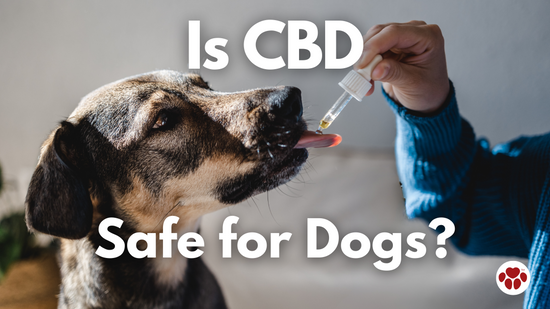
CBD products are also frequently promoted for canine anxiety.
Although research into CBD and canine stress responses is developing, the evidence remains insufficient to establish CBD as a reliable replacement for established prescription anxiety treatments.
Product composition, dose, absorption, and safety can vary considerably. CBD may also interact with medications and affect liver enzyme activity.
For dogs with severe anxiety, delaying effective treatment while repeatedly trying supplements can prolong unnecessary distress.
Supplements may sometimes have a supportive role, but they should be assessed individually rather than assumed to be safer simply because they're described as natural.
Medication can reduce anxiety, but it doesn't automatically teach a dog how to respond differently to frightening situations.
That's where behavior modification becomes essential.
Two commonly used techniques are desensitization and counterconditioning.
Desensitization involves introducing a feared stimulus at a sufficiently low intensity that the dog remains comfortable, then gradually increasing exposure as their confidence develops.
Counterconditioning changes the emotional association with a trigger by pairing it with something pleasant.
Consider a dog frightened by unfamiliar visitors.
Medication might reduce their overall anxiety enough that they can remain calm when someone enters the house. A structured behavior modification program can then help them associate visitors with positive experiences rather than danger.
Without that learning component, medication may reduce symptoms while leaving the underlying fearful associations largely unchanged.
The same principle applies to separation anxiety. Medication may make a dog more receptive to carefully planned alone-time training, but it doesn't replace the need to teach them that being alone can be safe.
Punishment, forced exposure, and overwhelming a frightened dog are counterproductive approaches that can intensify fear.
Progress isn't always dramatic.
Sometimes the earliest improvements are small changes in how quickly a dog recovers after becoming frightened.
Rather than expecting anxiety to disappear immediately, look for meaningful changes in everyday behavior.
A dog who previously paced for an hour after hearing fireworks might settle within 15 minutes. Another who refused food whenever visitors arrived might begin accepting treats from a safe distance.
These are valuable indicators that their emotional state may be improving.
I recommend keeping a simple record of anxiety episodes, noting the trigger, severity, duration, and recovery time.
Videos can also be particularly helpful, especially for separation anxiety, where owners aren't present to observe the behavior.
Your veterinarian can use this information to assess whether the medication is helping, whether the dose needs adjustment, or whether a different treatment would be more appropriate.
Regular reviews are particularly important during the early stages of treatment.
Fluoxetine and clomipramine are two established prescription medications for canine separation anxiety. Trazodone and gabapentin are also frequently prescribed off-label for specific stressful situations. The most appropriate choice depends on the dog's diagnosis, health, and treatment goals.
Some medications used in humans are also prescribed to dogs, but they must only be given under veterinary supervision. Dogs metabolize medications differently, and human formulations may contain unsuitable ingredients or doses. Never give your dog medication prescribed for yourself or another person.
Appropriately selected anxiety medication shouldn't fundamentally change your dog's personality. The aim is to reduce excessive fear so their normal behavior can emerge more comfortably. If your dog becomes unusually withdrawn, excessively sleepy, or behaves very differently, contact your veterinarian.
Yes. Certain medications, including fluoxetine and clomipramine, are specifically intended for regular administration. Long-term treatment may be appropriate for dogs with persistent anxiety, provided their response and health are monitored.
Not necessarily. Some dogs can gradually discontinue medication after sustained improvement and successful behavior modification. Others benefit from longer-term treatment, particularly when anxiety is severe or recurrent. Any reduction should be planned with your veterinarian.
Occasionally, yes. Some dogs experience increased restlessness, agitation, or paradoxical excitement when taking particular medications. These reactions should be reported to the prescribing veterinarian, who can determine whether treatment needs adjusting.
Anxiety medication can be appropriate for older dogs, but additional assessment is important. Kidney disease, liver disease, heart conditions, pain, and canine cognitive dysfunction may influence medication selection. New anxiety in a senior dog should always prompt consideration of underlying medical causes.
Anxiety medication for dogs isn't about suppressing unwanted behavior or changing who your dog is. It's about helping them feel sufficiently safe and comfortable to enjoy everyday life.
For some dogs, environmental adjustments and reward-based behavior modification provide enough support. For others, medication can make a substantial difference, particularly when anxiety is severe, persistent, or interfering with their ability to learn.
The most successful approach is usually individualized, combining veterinary assessment, appropriate medication when indicated, and a realistic behavioral treatment plan.
If your dog is struggling with anxiety, don't feel that you have to wait until things become unbearable before discussing medication with your veterinarian.
The goal isn't necessarily a dog who never feels afraid. It's a dog who can cope with life's challenges without being overwhelmed by fear.
Thinking effortInstant
To pick up a draggable item, press the space bar. While dragging, use the arrow keys to move the item. Press space again to drop the item in its new position, or press escape to cancel.
To pick up a draggable item, press the space bar. While dragging, use the arrow keys to move the item. Press space again to drop the item in its new position, or press escape to cancel.

Dr. Kathryn Dench
With nearly two decades of experience, Cambridge veterinarian Dr. Kathryn Dench is dedicated to enhancing animal health through holistic practices. A member of the Royal College of Veterinary Surgeons, she focuses on preventive care over traditional methods, particularly for long-term wellness solutions in pets suffering from anxiety and chronic conditions. As Chief Scientific Advisor at Paw Origins, she champions holistic strategies and education to revolutionize pet care practices.