Is it normal for dogs to eat less in summer?
Table of Contents
Canine Eating Habits in Summer
Why Do Dogs Lose Their Appetite After Illness or Surgery?
What Role Does Emotional Well-Being Play in Appetite Loss?
Why Pet Owners Use PawOrigins CBD for Appetite Loss in Dogs
Canine Eating Habits in Summer

During the summer months, it is not uncommon for dogs to eat less due to various factors such as increased temperatures, decreased activity levels, and potential changes in appetite. Just like humans, dogs may feel less inclined to eat when it's hot outside. It's essential to ensure your furry friend stays hydrated and offer lighter meals to accommodate their potentially decreased appetite during this season.
Why Do Dogs Lose Their Appetite After Illness or Surgery?
It’s common for dogs to lose interest in food following illness, surgery, or medication changes, as their bodies recover and recalibrate. Anesthesia, pain medications, antibiotics, or digestive disruption can suppress hunger while your dog focuses on healing. Additionally, inflammation, fatigue, or discomfort from procedures may reduce your dog’s motivation to eat, even if they are otherwise on the mend. In some cases, unfamiliar food textures or smells introduced post-treatment may also trigger hesitation or rejection. Supporting their appetite during recovery requires a gentle, low-stress approach—offering easily digestible meals, feeding smaller portions, and avoiding pressure around mealtime. Understanding that recovery takes time helps set appropriate expectations while you support their full return to wellness.
What Role Does Emotional Well-Being Play in Appetite Loss?
A dog’s emotional state is tightly linked to how, and whether they eat. Anxiety, loneliness, grief, or overstimulation can all suppress hunger, especially in sensitive or high-strung breeds. Building emotional resilience starts with predictability: consistent walk times, calm feeding environments, and plenty of affection. Soothing rituals like gentle grooming, play, and calming supplements help regulate mood and reawaken normal appetite cues. When a dog feels emotionally grounded, mealtimes become less of a challenge and more of a comforting routine. For dogs who’ve recently experienced major changes, like a move or loss of a companion, emotional healing may take longer but can be supported naturally. Supporting both mind and body allows appetite to return in a way that’s sustainable and stress-free.
Why Pet Owners Use PawOrigins CBD for Appetite Loss in Dogs
For dogs struggling with decreased appetite due to stress, pain, or recovery, PawOrigins CBD offers a safe, plant-based solution that addresses root causes without forcing food. Our premium CBD chews and oil formulas help calm the nervous system, improve gut function, and naturally encourage food interest. Rather than masking symptoms, they support holistic wellness so your dog feels well enough to eat on their own terms. Whether you’re managing post-surgical recovery, medication side effects, or seasonal appetite dips, PawOrigins helps bring appetite back without synthetic stimulants or harsh ingredients. Owners report a noticeable difference in behavior, energy, and willingness to eat after making it part of their care routine. With every dose, you support your dog’s comfort, vitality, and long-term nutritional balance.

Frequently Asked Questions
How does CBD help dogs?
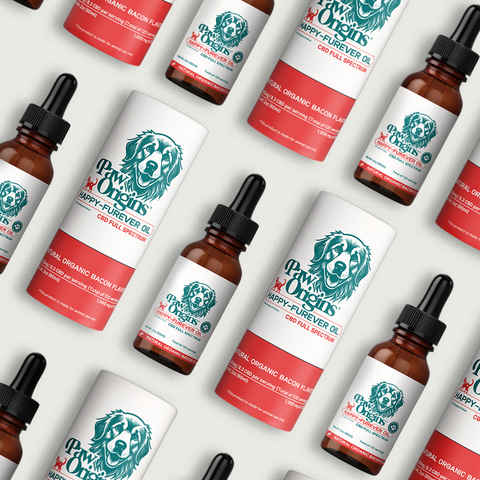
CBD oil supports dogs' well-being by interacting with their endocannabinoid system, which helps regulate mood, pain, inflammation, and immune responses. It is especially beneficial for senior dogs or those with arthritis, easing discomfort and improving mobility. Full-Spectrum (1,000mg) Happy-Furever® CBD Oil is formulated to reduce inflammation and support joint health, making it ideal for aging pets or dogs recovering from injuries.
Is CBD safe for dogs long term?
Yes, CBD is safe for long-term use in dogs when sourced from a high-quality, properly dosed product. Unlike some medications, it supports pain, anxiety, and inflammation relief without causing dependency or organ damage. Full-Spectrum (1,000mg) Happy-Furever® CBD Oil is third-party tested, organic, and non-GMO, making it a safe, non-psychoactive option for daily wellness support.
How to Give a Dog CBD Oil?
The most efficient way to administer CBD oil is directly into the mouth, under the tongue, or along the gum line for fast absorption. Mixing it into food or placing it on a soft treat is also effective, though absorption may take longer. Most dogs benefit from CBD once or twice daily, depending on their needs. Consistency is key, as CBD builds up in the system over time, leading to more noticeable long-term benefits.
Can CBD Calm Anxious Dogs?
CBD works by interacting with a dog’s endocannabinoid system (ECS), a network of receptors responsible for regulating mood, stress response, and overall well-being. By promoting balance in the nervous system, CBD helps reduce cortisol (the stress hormone), while increasing serotonin levels, fostering relaxation without drowsiness. Unlike sedatives, CBD allows dogs to remain alert and engaged while feeling calmer and more secure.
Should I Give My Elderly Dog CBD?
As dogs age, they often experience joint pain, inflammation, cognitive decline, and decreased mobility. Senior dogs may struggle with everyday activities like climbing stairs, jumping on the couch, or going for walks. CBD Oil provides a natural solution to help aging dogs maintain their quality of life by supporting joint function, reducing discomfort, and promoting relaxation.